
Types Of Rock Bolts And Supporting Reinforcement Measures: The Key To Ensuring The Stability Of Underground Projects!
Rock bolts are essential components in geotechnical engineering, providing stability and support in tunnels, mines, and slopes. Understanding the various types of rock bolts and their associated reinforcements is crucial for selecting the appropriate system for specific geological conditions.
Common rock bolt types
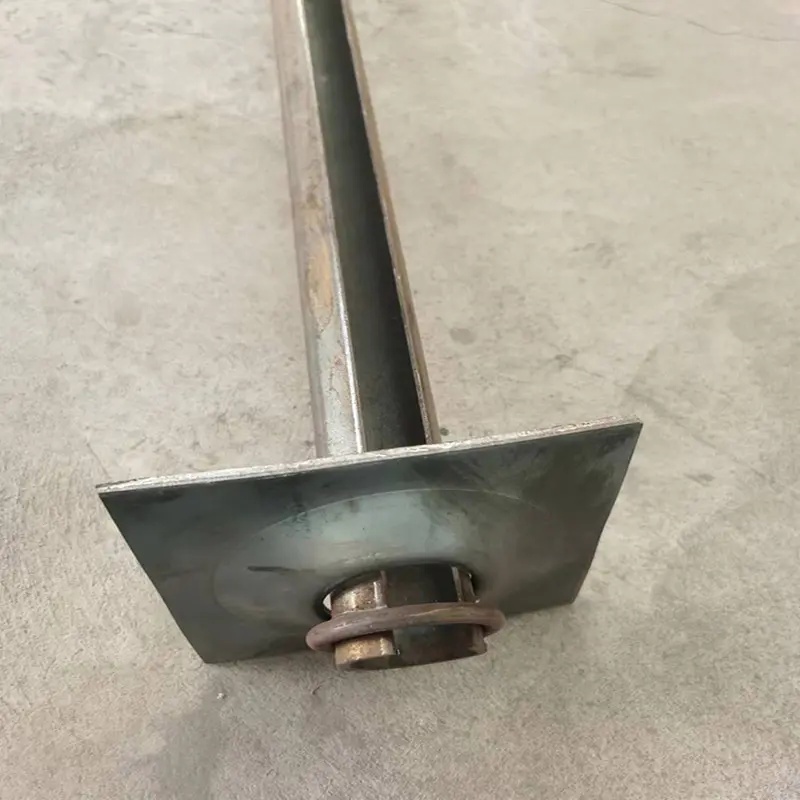
Grouting anchor rock bolts: After the steel bar is inserted into the drilled hole, cement or resin is injected to provide high-strength anchoring force.
Cable anchor: It is composed of high-strength steel wire rope and is suitable for deep reinforcement and large-span projects.
Hollow rock bolt: The center hole design facilitates grouting and enhances the bonding force with the rock mass.
Self-drilling rock bolt: Drilling and grouting are synchronized, suitable for crushing rock formations.
Mechanical anchor rock bolt: Use expansion shells for instant anchoring, no grouting is required, suitable for rapid support.
Friction anchor rock bolt: Rely on friction to fix, suitable for temporary support.
|  |
Reinforcements Used with Rock Bolts
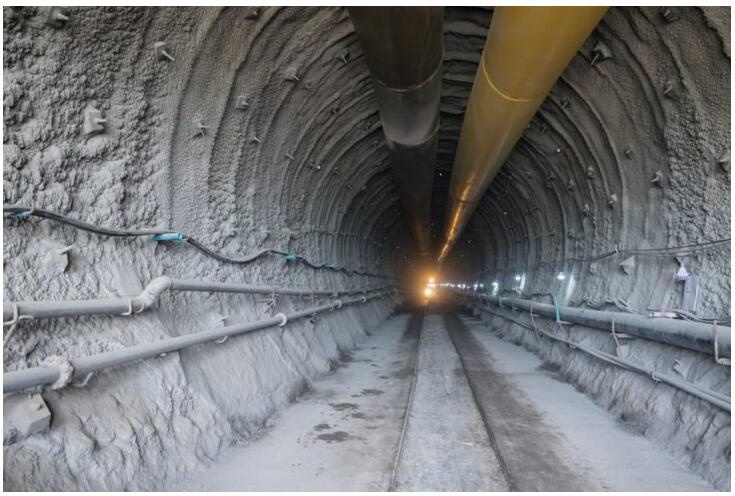
1. Sprayed Concrete (Shotcrete and Gunite)
Applied over rock surfaces, sprayed concrete provides additional stabilization. Shotcrete, a wet mix, is more efficient with a lower rebound rate, while gunite, a dry mix, is used in smaller areas requiring high strength.
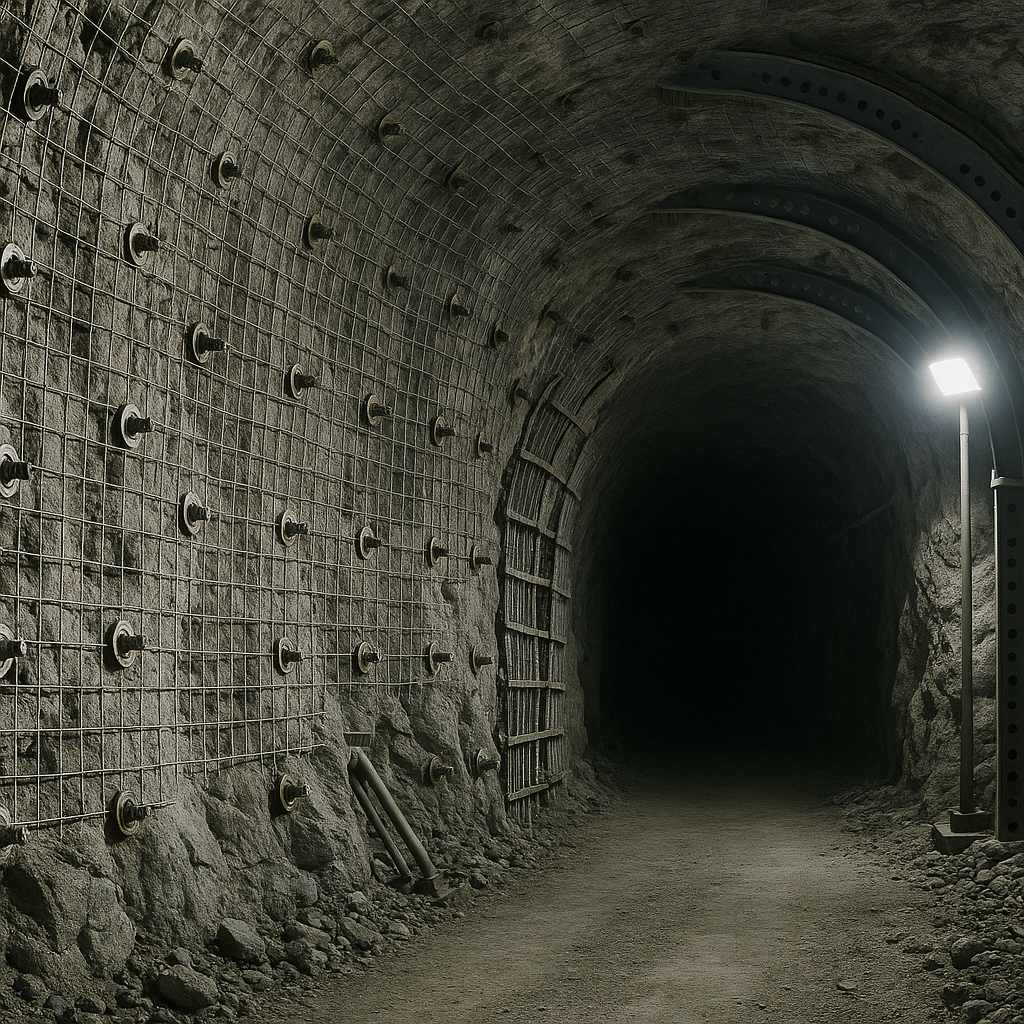
2. Wire Mesh
Installed over rock surfaces and secured with bolts, wire mesh prevents loose rock from falling, enhancing safety in underground excavations.
3. Lattice Girders and I-Beam Girders
Steel frameworks that, when combined with rock bolts, offer enhanced structural support in large excavations. They distribute loads evenly and provide immediate support during construction.
Selecting the appropriate combination of rock bolts and reinforcements are vital for ensuring the stability and safety of underground structures. Each type offers unique advantages tailored to specific geological conditions and project requirements.


