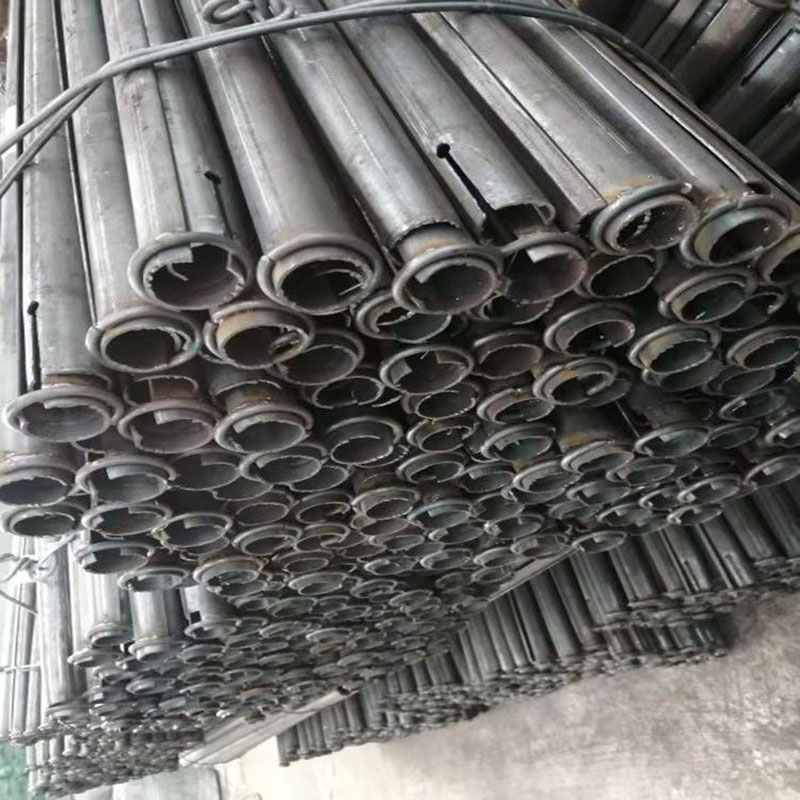
What is a Friction Anchor?
A friction anchor is a geotechnical support anchor that provides anchoring force by friction between the steel pipe and the borehole wall without the need for grouting or mechanical termination devices. The core principle is that a specially designed steel pipe (such as a Split Set or Swellex anchor) is pressed forcefully into the borehole, causing the rod to squeeze tightly against the geotechnical body, creating high radial pressures that result in anti-slip frictional resistance.
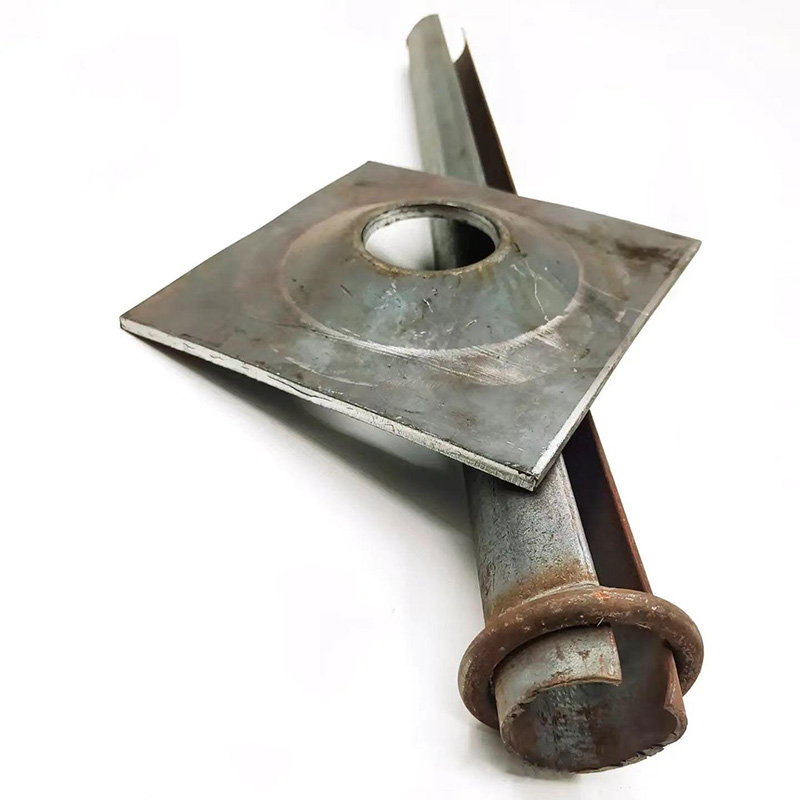
Friction Anchor Core Benefits
The core advantage of friction anchors is their ability to provide immediate support and construction efficiency. Unlike anchors that require grouting or rely on complex mechanical terminations, friction anchors (e.g., Split Set, Swellex) provide effective anchorage the moment they are installed, through the tremendous radial pressure and surface friction between the rod and the rock and soil mass of the drilled hole wall. This “ready-to-use” feature has an irreplaceable value in time-sensitive or high-risk engineering scenarios (e.g., mining tunnel roof support, tunnel excavation facing stabilization, emergency rescue on slopes), which can quickly control the deformation of the surrounding rock and greatly enhance the safety of the construction.
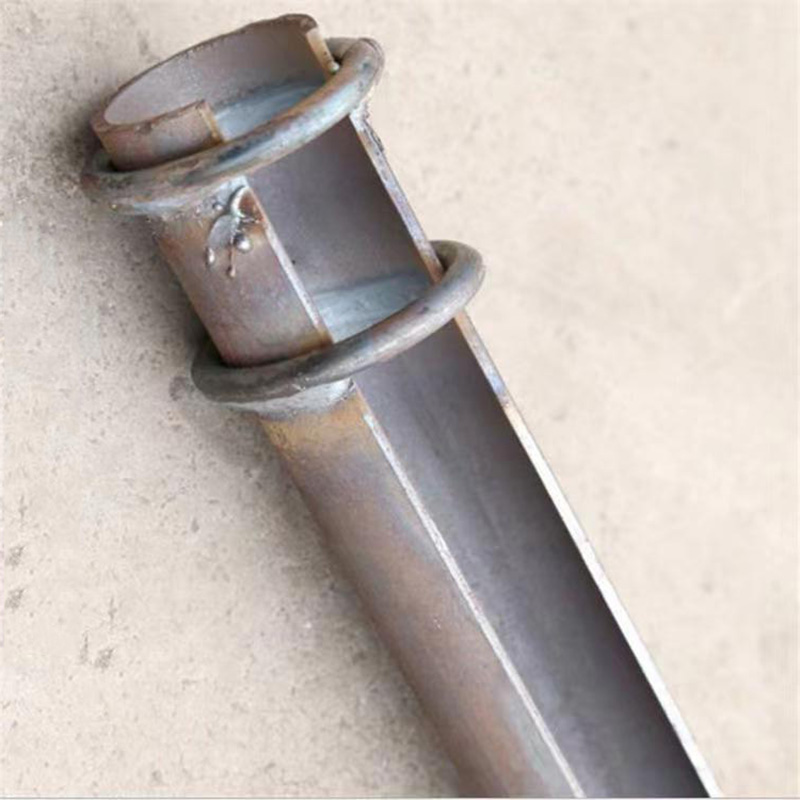
Friction Anchor Core Application Scenarios
The core application of friction anchors is focused on temporary rock support and emergency works that require a rapid response. In the field of underground mining, it is the first choice for tunnel roof and wall support, which can instantly inhibit the deformation of the rock layer, especially suitable for dealing with the dynamic pressure impact of the mine. In tunnel engineering, it is widely used in the initial support after excavation, with shotcrete to quickly stabilize the palm face and control the relaxation of surrounding rock. In the rocky slope rescue project, it can realize rapid anchoring of dangerous rock body with the installation speed of minutes, so as to buy time for the subsequent treatment. In addition, it is also suitable for scenarios such as small and medium-sized cave reinforcement and rock spalling control. Its value is most prominent in time-sensitive, safety-risky geological reinforcement tasks.
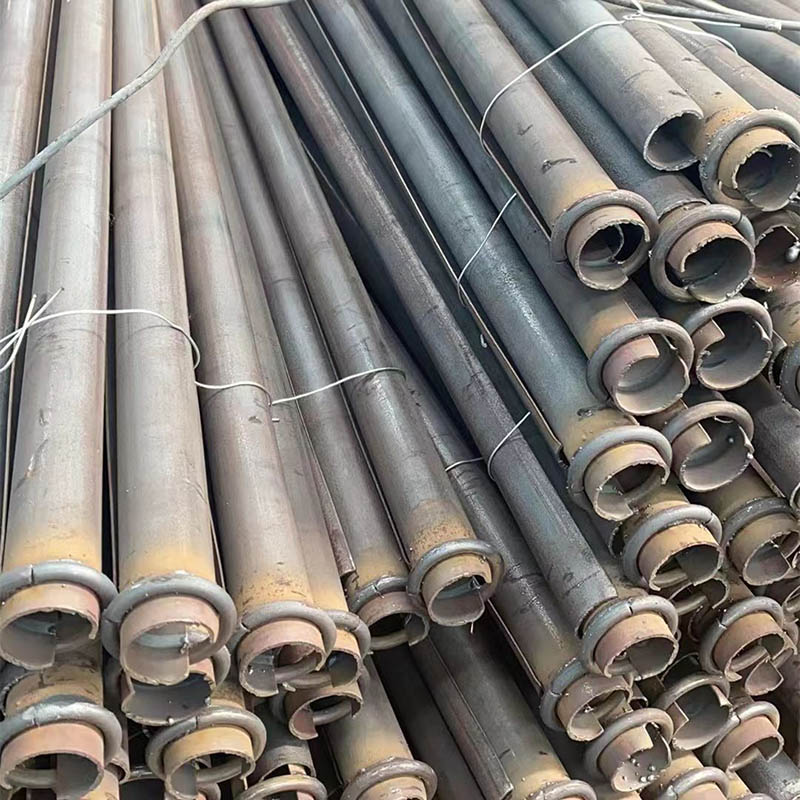
Scientific selection of friction anchors to maximize engineering benefits
Friction anchors occupy an important position in geotechnical engineering due to their immediate support and high construction efficiency, but their applicability is highly dependent on geological conditions and engineering needs. They are excellent in mining roadway and tunnel initial support scenarios in hard and intact rock formations, and can quickly control deformation; however, in soft and broken formations or permanent projects, long-term durability and bearing capacity limitations need to be assessed.
Selection should take into account the rock strength, support time limit, cost budget and anti-corrosion requirements, and form a composite support by combining with mechanical anchors or grouting anchors if necessary. Scientific application of friction anchors can give full play to its core values of fast response and economic efficiency, ensuring project safety and maximizing benefits.