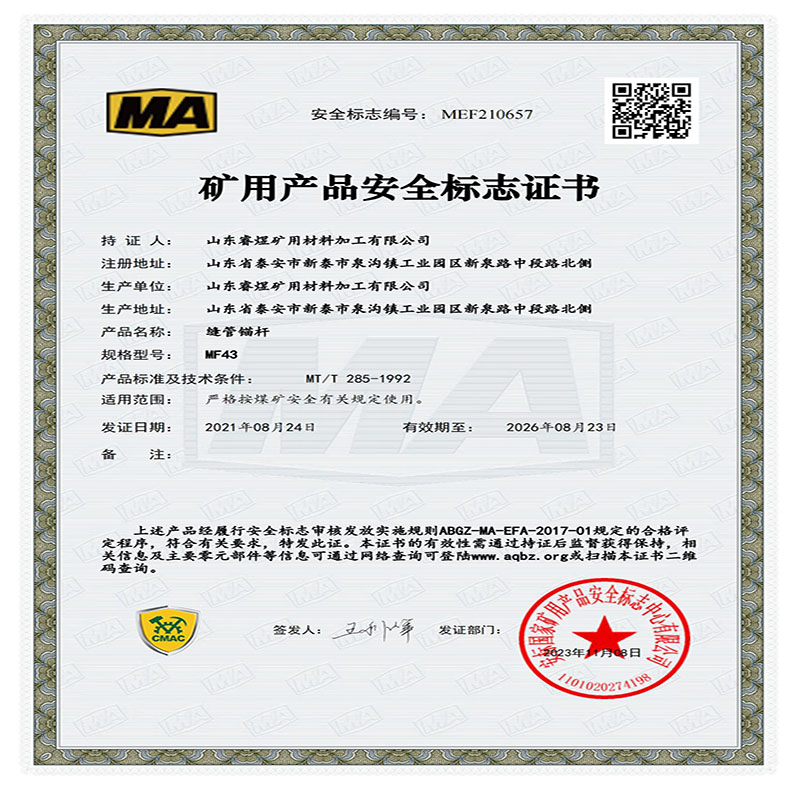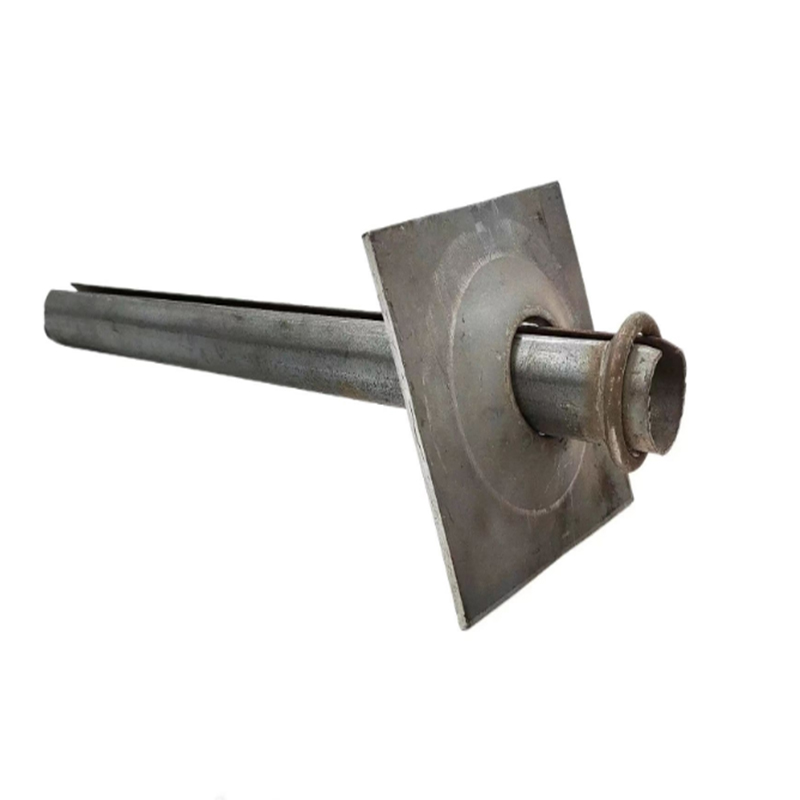
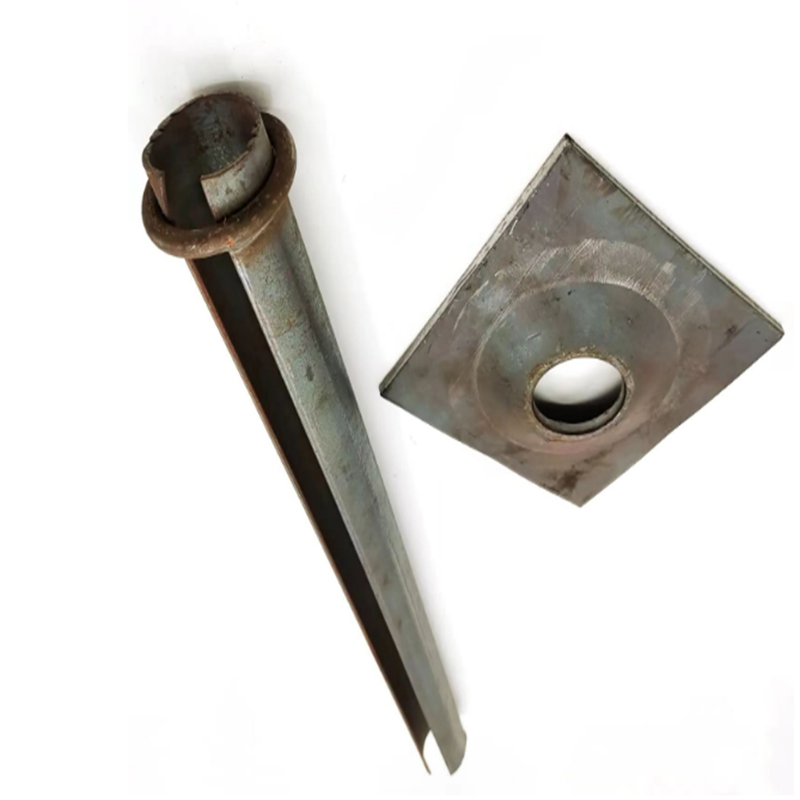
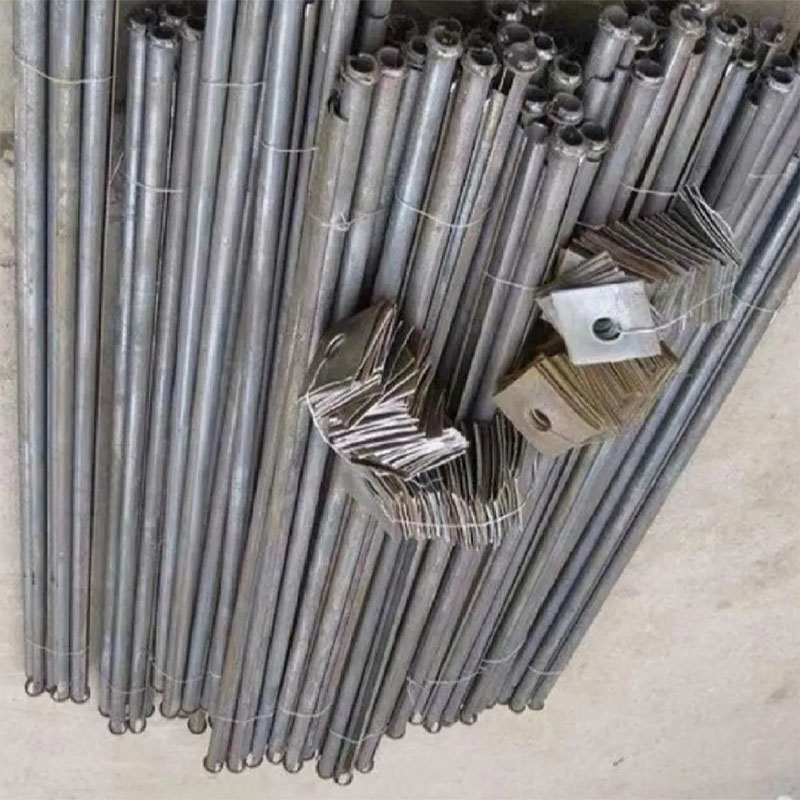
Split Metal Pipe For Mining MF43
Product Overview:
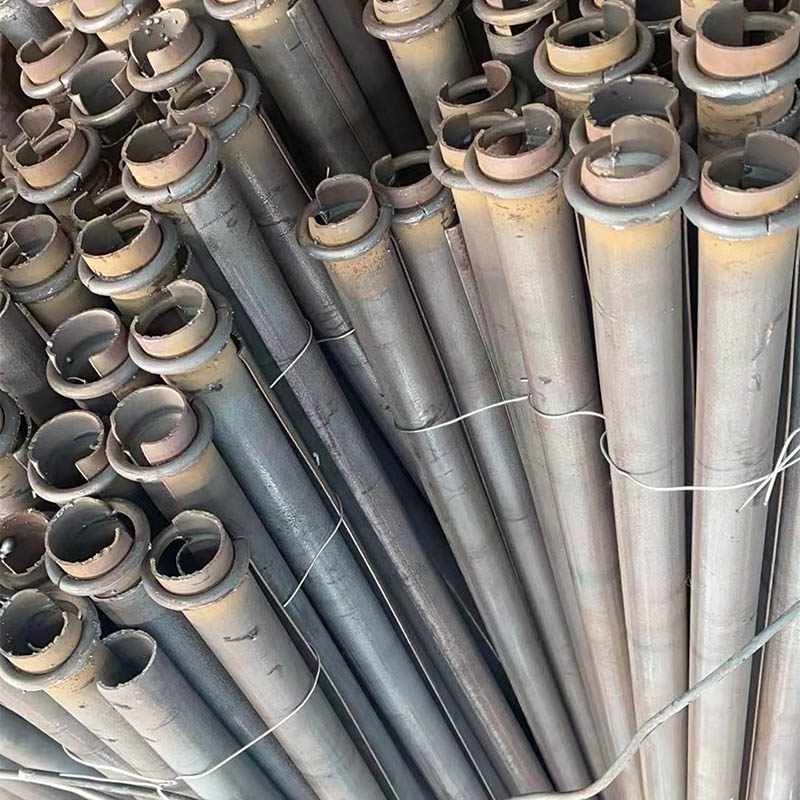
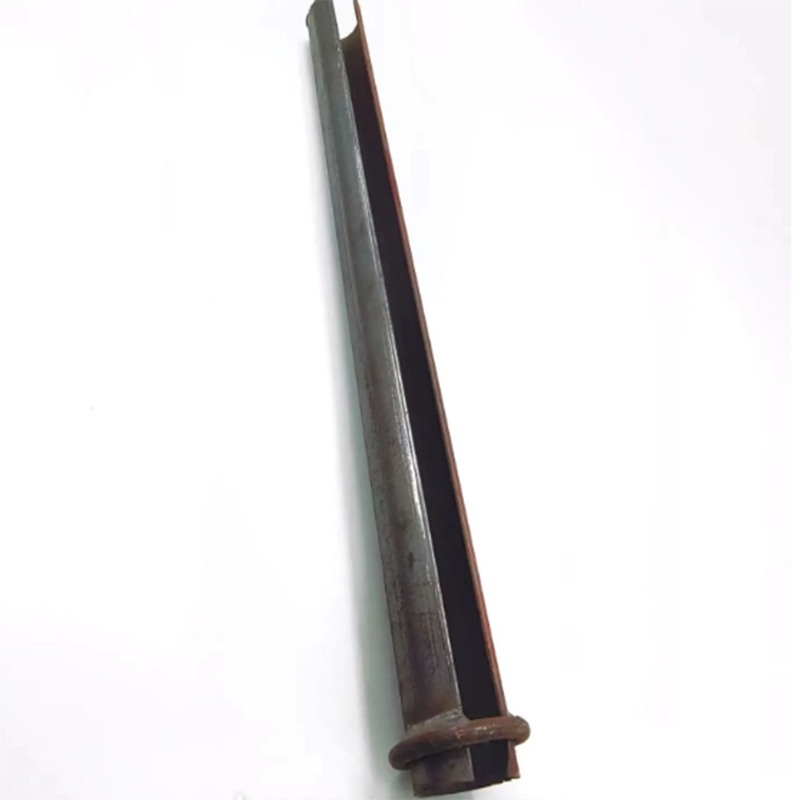
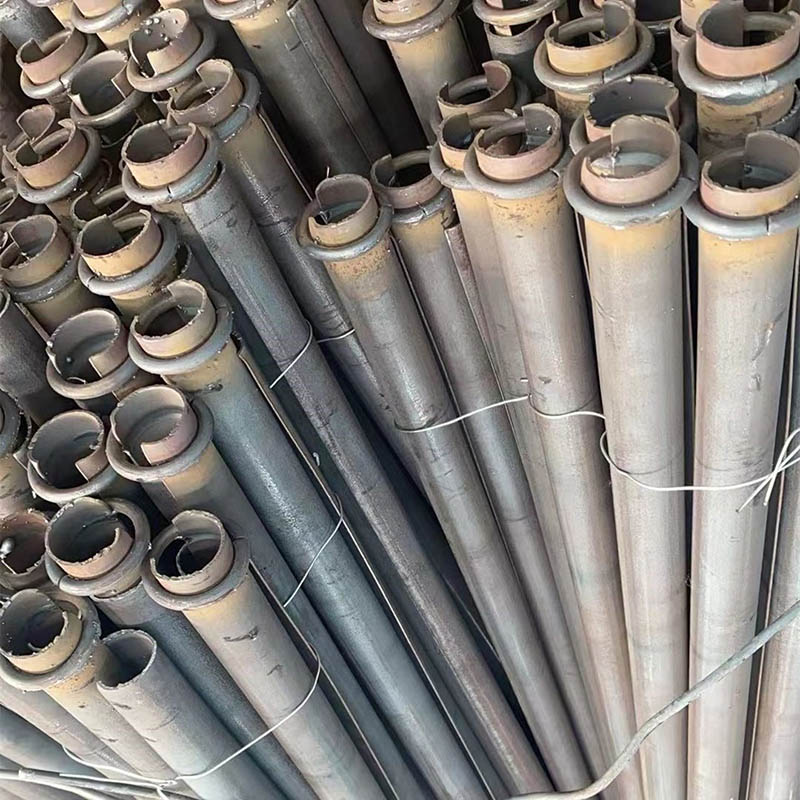
Slotted tube metal anchor rods, also known as split-type steel sleeve anchor rods, are high-efficiency anchoring products manufactured by rolling and pressing high-strength metal plates into tubular rods with longitudinal slots (i.e., split-type steel tubes). As an advanced split-type metal tube support system, it achieves rapid and reliable self-anchoring by drilling holes in rock slightly smaller than the anchor diameter. The elastic tension of the tube wall compresses the borehole walls, generating radial pressure and substantial friction.
Advantages:
1.Superior Support: Maintains rock mass under triaxial stress conditions, delivering significantly enhanced support performance compared to traditional rock bolts.
2.High Efficiency & Cost-Effectiveness: Simple and rapid installation with low labor intensity, high construction efficiency, and more pronounced overall economic benefits.
3.Robust Anchoring: Delivers substantial anchoring force uniformly distributed along the entire rod length, providing enduring and reliable reinforcement.
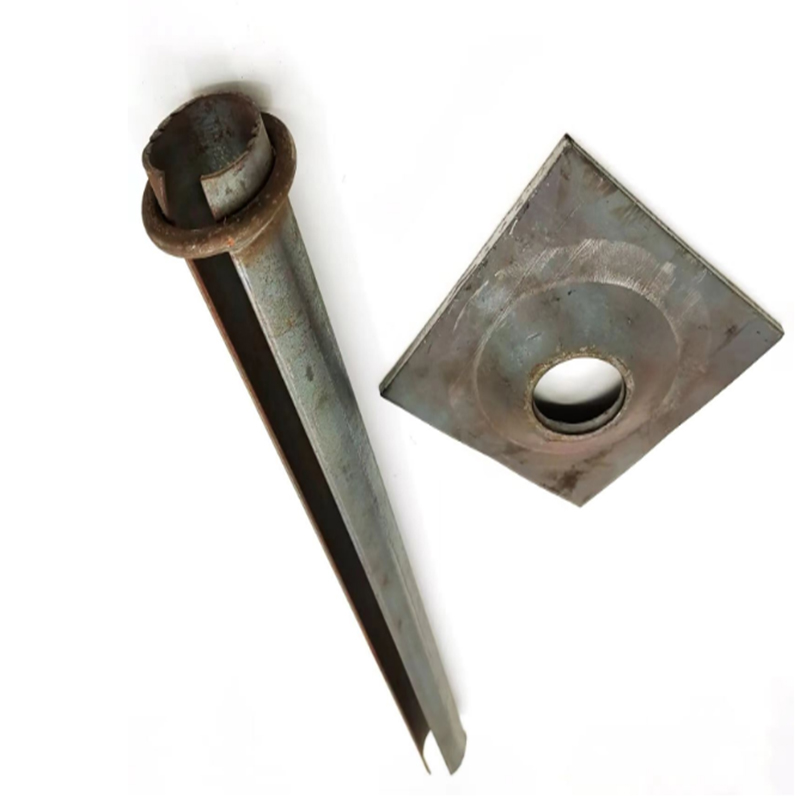
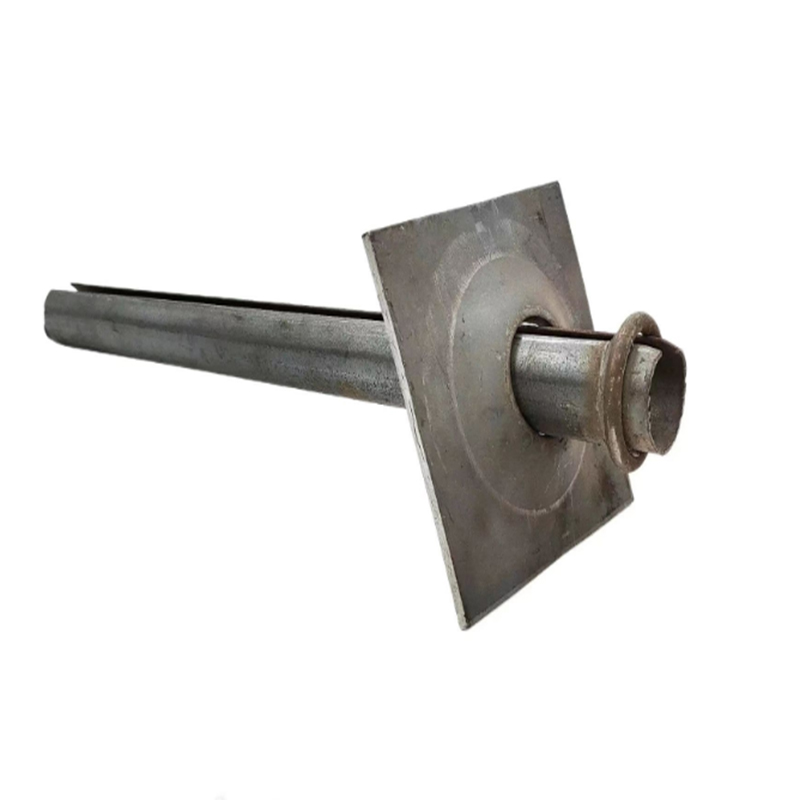
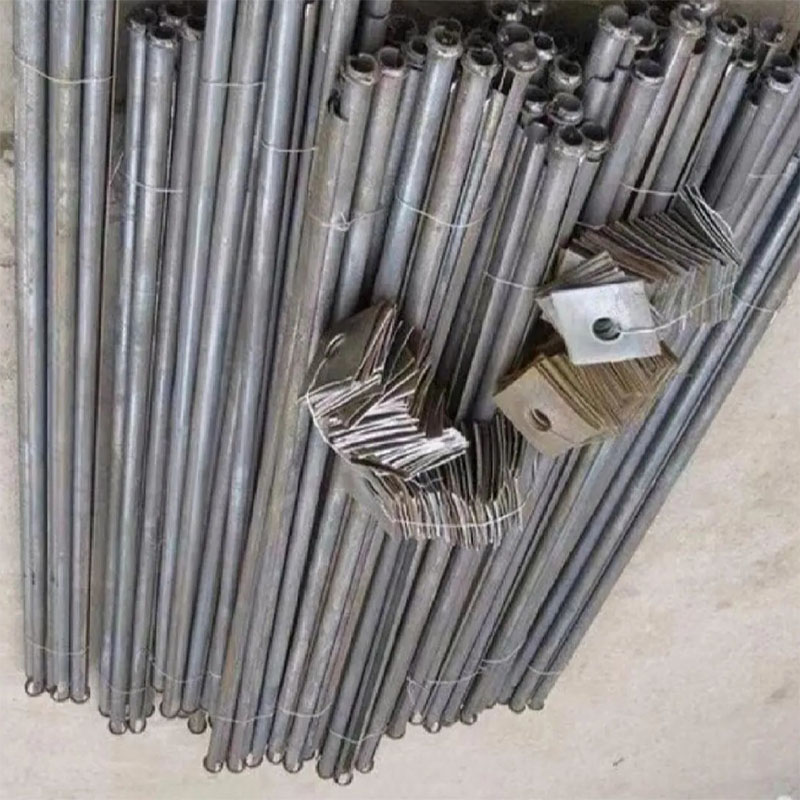
4.High Load-Bearing Capacity: The anchor rod itself possesses strong anchoring force, combined with a high-strength tray to form a complete support system.
Technical Features:
Split steel pipes manufactured from high-strength alloy strip steel offer superior strength and durability.
Installation is simple and rapid, requiring no additional anchoring agents, significantly reducing complexity and time costs.
High friction between the anchor rod and rock mass ensures secure anchoring.
High shear and tensile strength effectively resist external forces.
Equipped with a high-strength, load-distributing tray that uniformly supports the entire anchor system.
Particularly suitable for scenarios where tunnel height exceeds anchor length, providing stable support.
Specification
Diameter(±0.5) | 33mm | 39mm | 40mm | 42mm | 46mm | 47mm |
Length(±0.5) | 1.2m | 1.5m | 1.9m | 2.0m | 2.5m | 3m |
Mining Plate(±0.5) | 140*140*6mm,150*150*5mm,200*200*10mm | |||||
Material | Q235,16Mn,20 Mnsi | |||||
Surface Quality Requirements:
As the core component of the split-type metal pipe assembly, the rod body must maintain a highly flat surface free of any severe deformation, dents, scratches, or deep rust caused by processing or transportation. Particularly for anchor rods employing a split-type steel casing structure, the edges of longitudinal slots must be smooth and burr-free to ensure seamless installation. All welds must be full and uniform, completely free of defects such as cracks, porosity, or slag inclusions. Burn-through of the pipe wall is strictly prohibited to guarantee structural integrity and sealing. The inner diameter of the matching tray must precisely match the rod body to ensure flexible, frictionless sliding. This is a critical prerequisite for achieving effective pre-tensioning and uniform force distribution.
Mechanical Performance Standards:
To ensure the overall reliability of the split-type steel pipe anchor system, its critical mechanical properties must strictly meet specifications: The minimum pull-out force for welds between the retaining ring and rod body is 80 kN, serving as the core safety indicator for connection points. The ultimate tensile strength of the rod body itself must exceed 110 kN to withstand complex rock stress conditions. The initial anchoring force must not be less than 25 kN/m to guarantee immediate effective support after installation. The static load-bearing capacity of the plate, serving as the ultimate load-bearing surface, must not be less than 65 kN to ensure no plastic deformation or failure occurs under long-term loading. All performance characteristics must be tested and certified according to national or industry standards.
Installation Guide:
To ensure optimal support performance of slotted pipe metal anchor rods (also known as split steel sleeve anchor rods), strictly adhere to the following installation procedures and technical requirements during construction.
Step 1: Precise Drilling Positioning
Strictly follow the engineering support design drawings to accurately mark each anchor hole location on-site. Use a stable hydraulic or pneumatic drill to bore holes along the tunnel contour normal or at the specified design angle. Maintain drill rod stability during drilling to avoid excessive vibration, creating favorable conditions for subsequent anchor installation.
Step 2: Thorough Hole Cleaning
Immediately after drilling, insert a high-pressure air hose connected to an air compressor into the hole bottom. Blow air from the inside out to completely clear all drill cuttings, debris, and accumulated water. Clean holes are essential for ensuring full contact between the split-type metal tube anchor and the hole wall, generating uniform friction force, which is critical for anchorage strength.
Step 3: Strictly Control Hole Diameter and Depth
Drill hole dimensions are critical to the self-anchoring principle of split-type steel pipes and must be precisely controlled based on rock mass properties:
In stable rock formations:
Recommended drill diameter is 0.9 to 0.95 times the nominal diameter of the selected anchor rod. Hole depth should exceed the anchor's design length by approximately 100mm to accommodate potential debris accumulation at the bottom. Total drilling deviation must remain below 1%.
In softer coal seams or fractured rock formations:
Recommended hole diameter is 0.9 to 1.0 times the anchor's nominal diameter. The hole depth should exceed the anchor rod length by 200mm. Considering drilling difficulties in coal strata, the hole axis deviation tolerance may be relaxed to less than 1.5%, but efforts should still be made to maintain straightness.
Step 4: Correct Anchor Rod Installation
First, sequentially insert the high-strength bearing plate (load-bearing plate) and friction-reducing washer onto the anchor rod body.
Align the assembled anchor rod's front end (slotted end) with the cleaned borehole opening.
Using specialized impact installation tools (e.g., pneumatic impact hammers or hydraulic impact devices), drive the anchor rod steadily and continuously into the hole. During this process, the split steel sleeve structure generates elastic tension due to radial compression, firmly gripping the borehole wall.
Continue impact until the anchor rod's exposed length meets design requirements and the plate is flush against the rock surface. Finally, apply preload to the plate using a torque wrench or pneumatic wrench to complete the installation. After installation, conduct necessary pull-out tests and perform spot checks to verify that the anchoring force meets design standards.
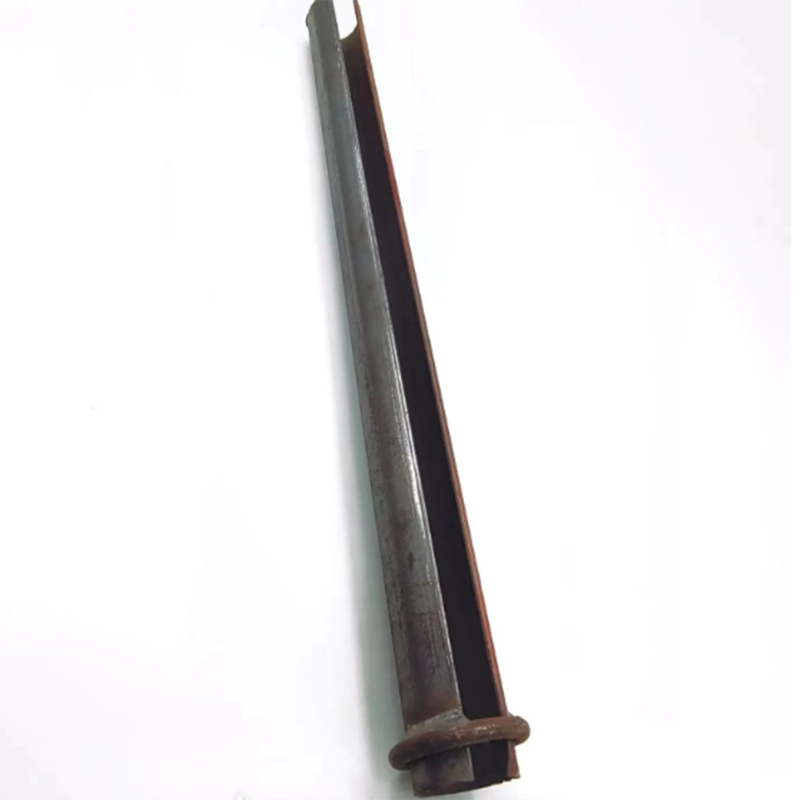
Slotted-tube metal anchor rods (also known as split-type steel sleeve anchor rods) represent a highly efficient geotechnical support solution. Manufactured by rolling high-strength alloy steel strip into split-type steel tubes with longitudinal slots, these rods leverage the elastic tension of the tube walls to compress the borehole surface. This generates uniformly distributed radial friction forces, enabling rapid and reliable self-anchoring. This anchor rod delivers outstanding support performance, subjecting surrounding rock to triaxial stress conditions to significantly enhance structural stability. Installation is simple and rapid, requiring no grouting agents, thereby substantially improving construction efficiency and reducing overall costs. It also exhibits excellent tensile and shear resistance along with enduring anchoring effects, making it particularly suitable for reinforcement projects in layered and weak rock formations such as tunnels and shafts. It represents a technologically advanced, cost-effective support solution.
natural endowments