
Size Of Threaded Rods To Anchor Wall To Concrete Footing
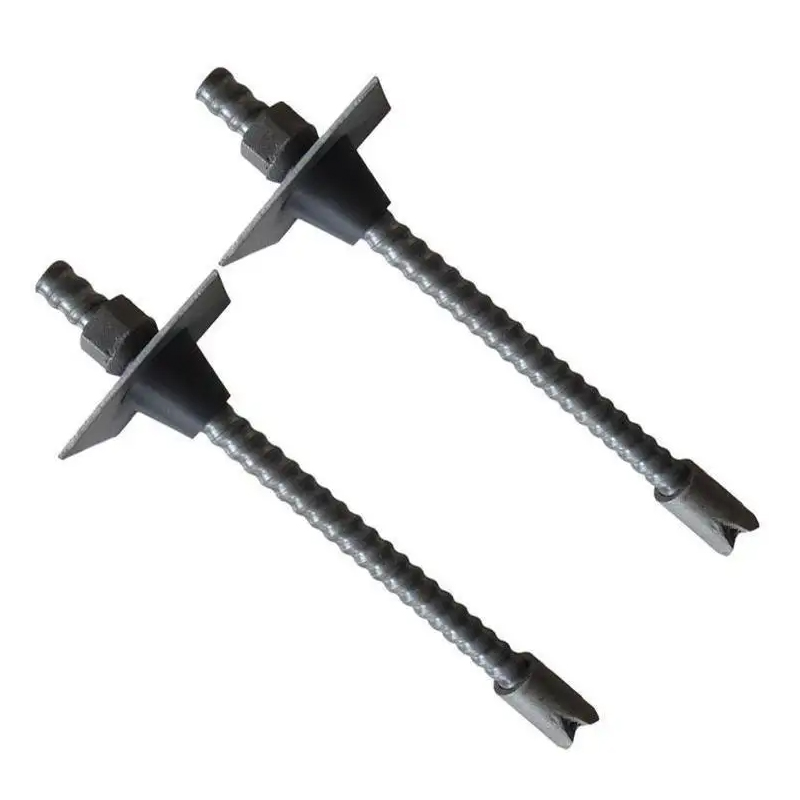
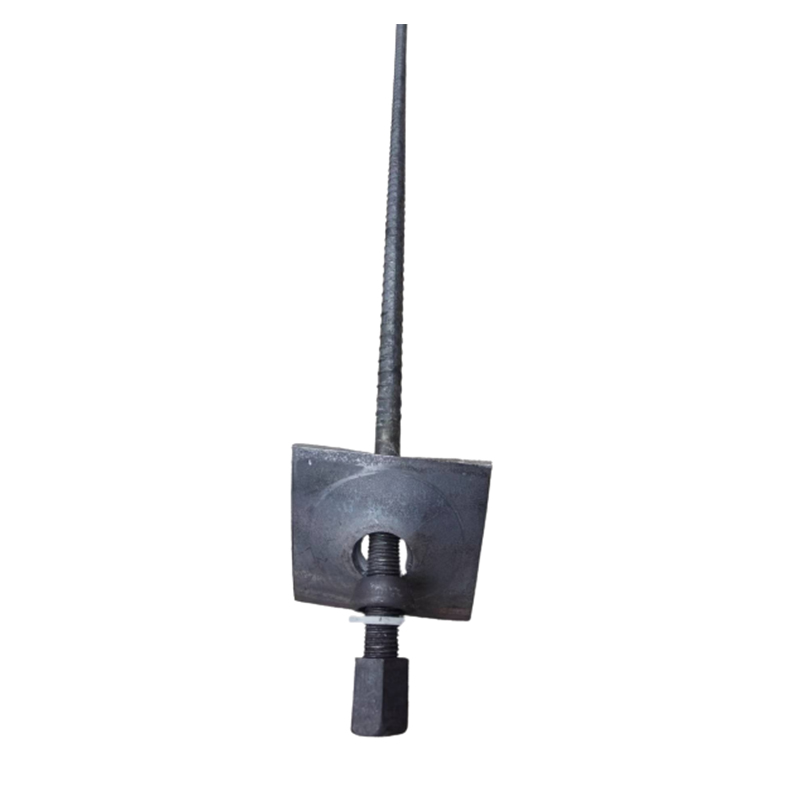
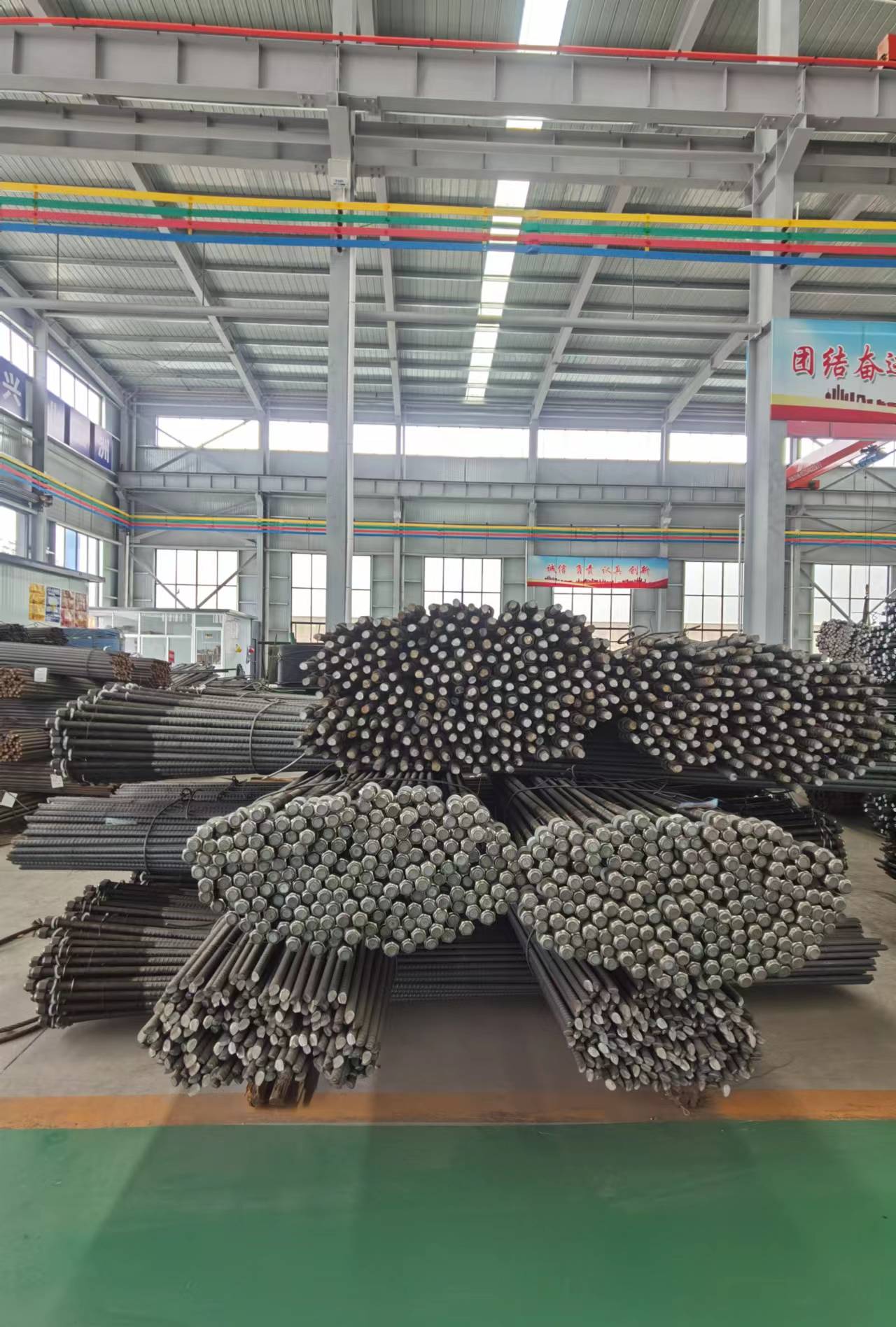
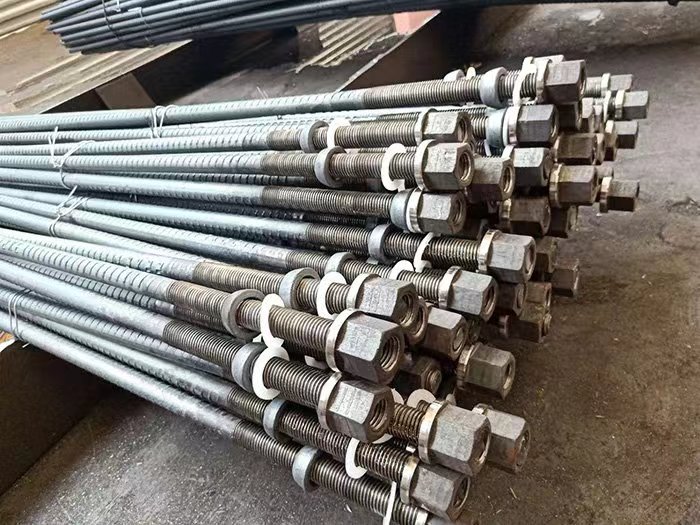
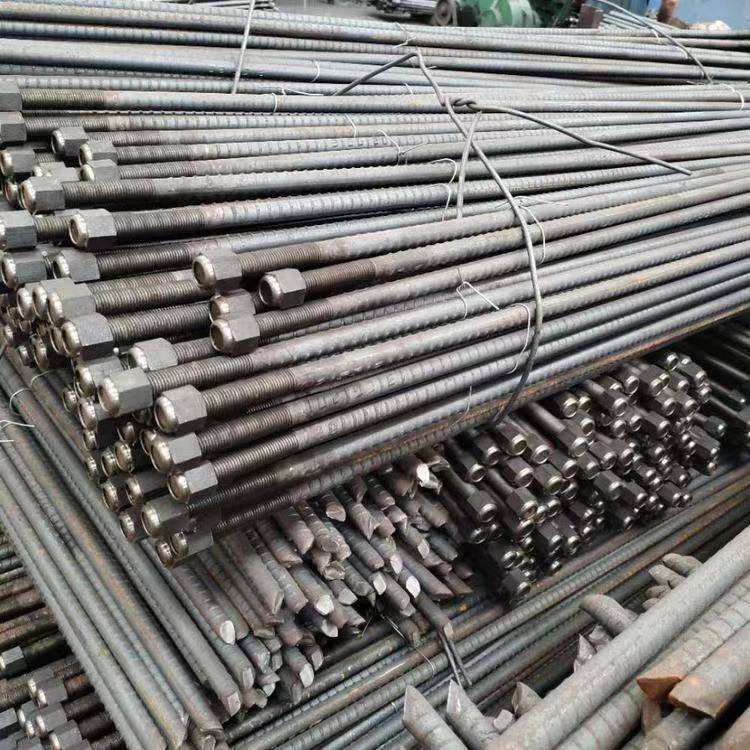
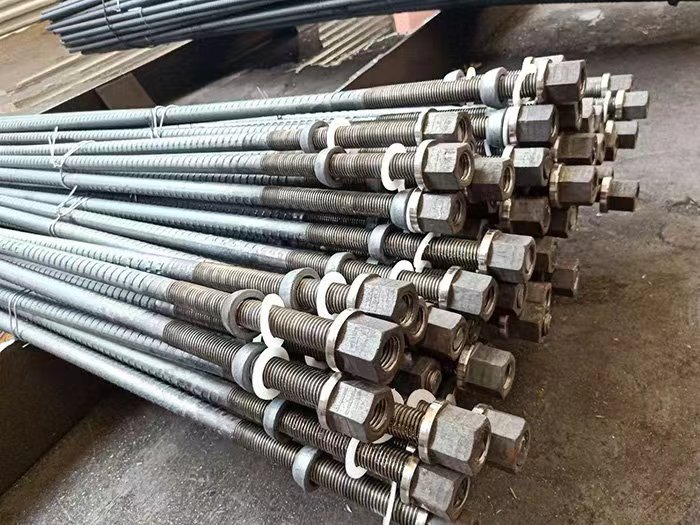
Longitudinal ribless threaded rebar anchors are a high-performance engineering support material that can be freely extended in length through threaded connections, flexibly adapting to the anchor length requirements of various projects. Combining high tensile, shear, and torsional strength, these anchor bolts provide reliable support and stabilization for rock, soil, and concrete structures. Designed for both ease of installation and cost-effectiveness, they are an ideal choice for improving project efficiency, reducing costs, and extending structural service life.
I. Product Overview: Redefining Standards for Rock and Soil Anchoring
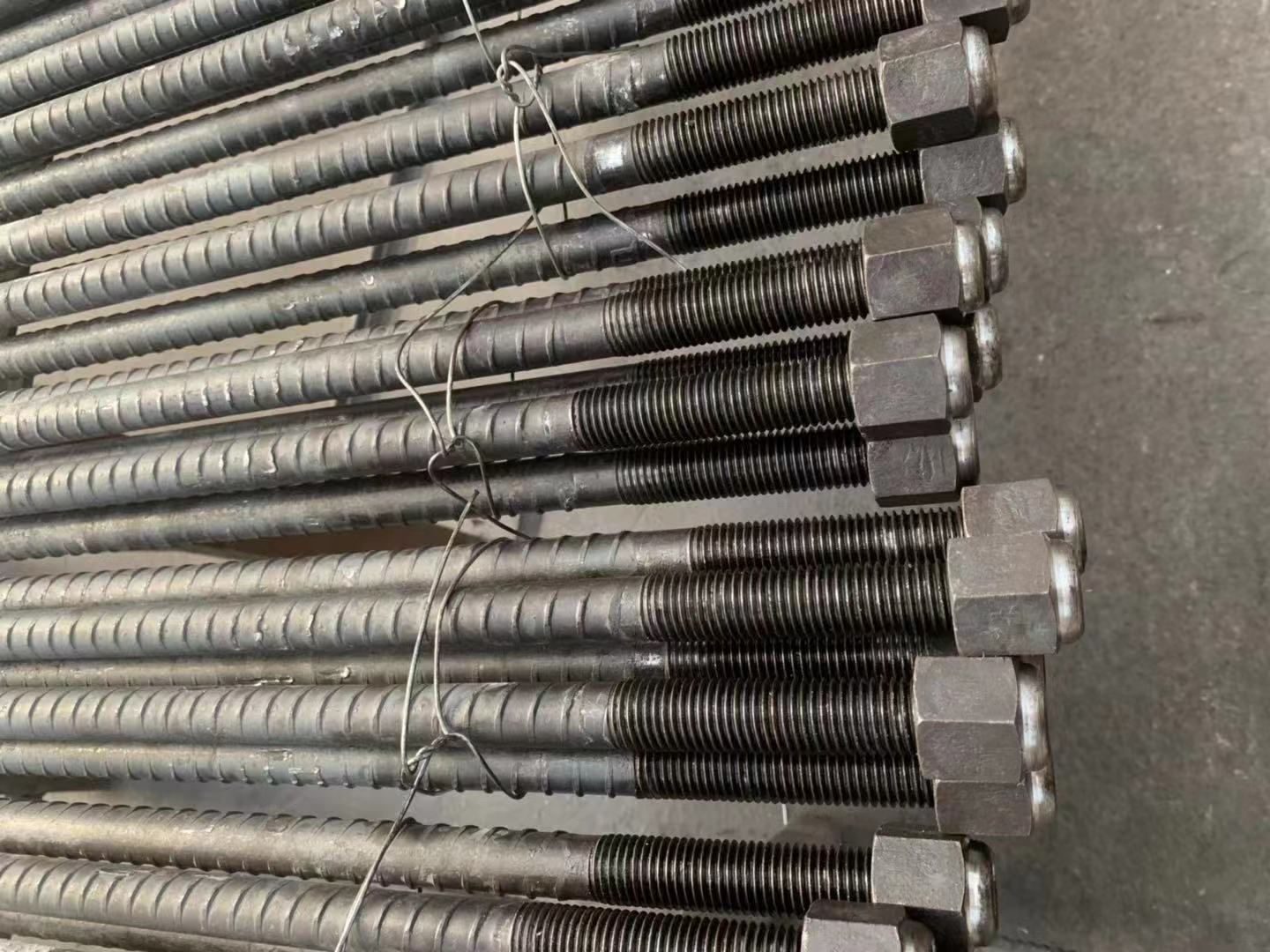
The longitudinal ribless threaded steel anchor is a high-performance engineering support material specifically designed for complex geological conditions. Unlike traditional anchors, its greatest innovation lies in the seamless integration of a ribless design with a fully threaded structure.
This anchor can be freely extended in length through threaded connections, flexibly adapting to the varying anchor length requirements of different projects, thereby completely resolving the challenge of limited anchor length in deep excavations and long-span tunnels. It combines high tensile strength, high shear strength, and high torsional strength, providing reliable support with millisecond-level response times for fractured rock masses, soft soil layers, and concrete structures.
Designed to balance “ease of installation” with “lifecycle cost-effectiveness,” it is currently the ideal choice for enhancing the efficiency of underground engineering projects, reducing material costs, and extending the service life of structures.
II. Superior Performance: Data-Backed Mechanical Properties
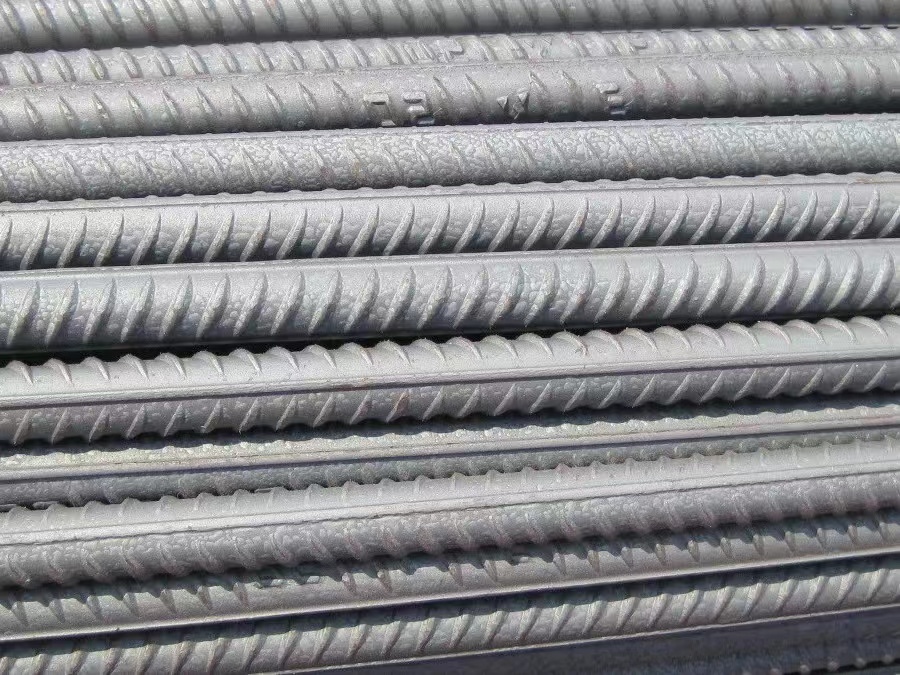
This anchor exhibits excellent mechanical properties in terms of material and structural design, supporting a variety of high-strength materials such as HRB335, HRB400, HRB500, and HRB600. The specific technical parameters are as follows:
Technical Parameter | ||||||||
Performance Material Specification | Rod outer diameter(mm) | carrying capacity(kn) | ||||||
Nominal size | Allow partial dragons | HRB335 | HRB400 | HRB500 | HRB600 | HRB335 | ||
standard | carrying capacity | |||||||
φ-16 | 16 | +0.3/-0 | ≧100 | ≧120 | ≧135 | 120x120x5 | ≧100 | |
φ-18 | 18 | +0.3/-0 | ≧126 | ≧150 | ≧172 | ≧206 | 150x150x5 | ≧135 |
φ-20 | 20 | +0.3/-0 | ≧157 | ≧180 | ≧210 | ≧260 | 150x150x6 | ≧170 |
φ-22 | 22 | +0.3/-0 | ≧190 | ≧225 | ≧250 | ≧310 | 150x150x8 | ≧230 |
Support Mechanism Characteristics:
Surface Constraint: Effectively restricts the separation of the rock and soil mass from the original strata through mechanical interlocking, preventing surface spalling.
Macroscopic Reinforcement: Similar to the “reinforced concrete” effect, this significantly increases the cohesion and internal friction angle of the rock and soil mass, enhancing overall stability.
Active Support: Unlike passive support, this anchor actively mobilizes the bearing capacity of the surrounding rock and is widely used in active reinforcement projects for mines, slopes, tunnels, and dams.
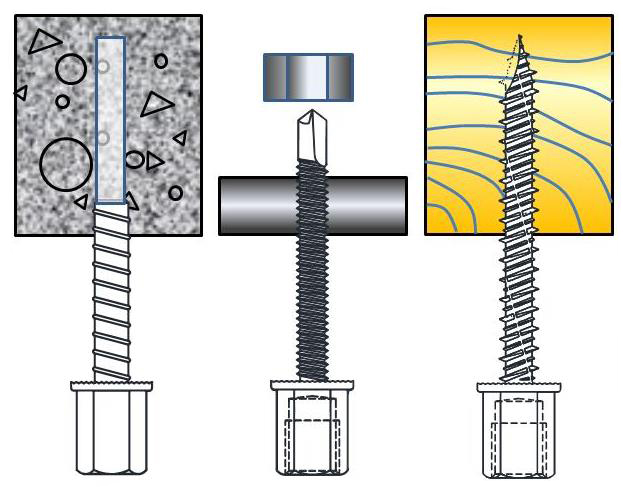
III. Key Advantages: Why Choose This Over Traditional Threaded Rebar?
Compared to traditional full-length threaded anchor rods, this product offers the following unique advantages:
No-machining design: The anchoring and fastening ends do not require threading on a lathe; the product is delivered ready-to-use, reducing on-site processes and minimizing human error.
Full-Length Uniform Strength: The ribless design eliminates stress concentration points, achieves a material utilization rate of over 95%, and ensures uniform distribution of mechanical properties.
Exceptional Anchoring Force: The optimized thread profile increases the contact area with the grout, providing superior load-bearing and pull-out resistance.
Quality Control: Equipped with a prestressing heating element, it allows for precise control of preload when used with a torque wrench, facilitating quality traceability during on-site installation.
Quick Installation: Compared to welding or tying methods, construction speed is increased by approximately 40%, significantly shortening the project timeline.
Anti-loosening Design: The thread direction is strictly manufactured to match the rotation direction of the drilling tool, utilizing a self-locking principle to ensure the anchor rod does not accidentally dislodge during dynamic operations.
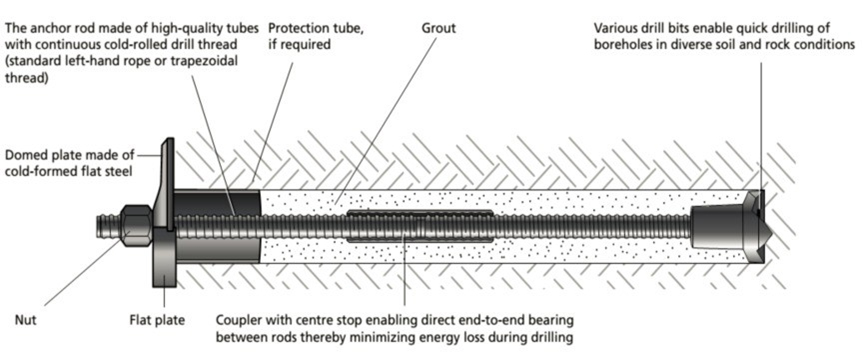
IV. Application Scenarios and Practical Guidelines
Vertical ribless threaded steel anchor bolts are widely applicable in the following high-demand fields:
Tunnel Engineering: Used as system anchors or toe anchors to achieve self-supporting rock mass in “New Austrian Tunneling Method” (NATM) construction.
Underground Mining: Serves as a fundamental component for tunnel support, binding layered or fractured rock mass into a load-bearing arch.
Water Resources and Hydropower: Used for active anti-floating and anti-sliding reinforcement of high slopes, ship locks, and dam foundations.
Transportation and Civil Engineering: Used for excavation shoring, anti-floating anchors, and slope stabilization projects.
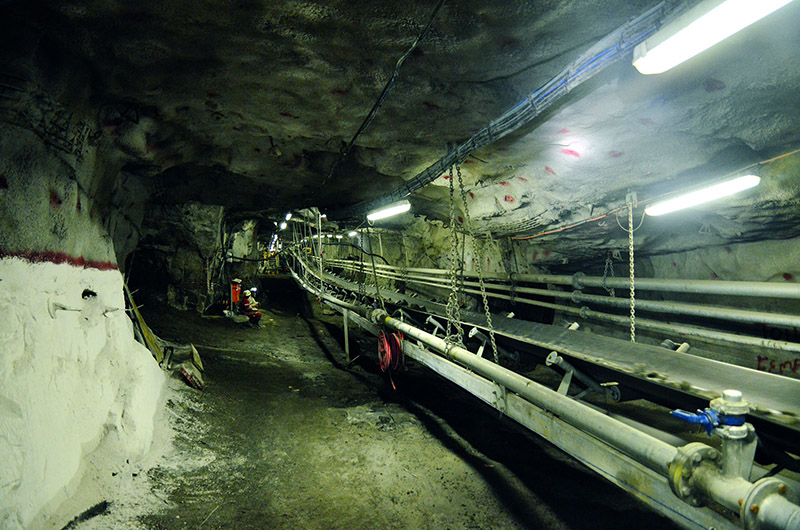
Longitudinal ribless threaded rebar anchors combine high strength, ease of installation, and cost-effectiveness with durability, making them an indispensable “backbone” in modern underground engineering and geotechnical support. Whether in tunnels through fault zones, deep high-stress mines, or in water conservancy and transportation projects critical to public welfare, they provide solid and reliable active support.
Choosing longitudinal ribless threaded anchor bolts not only lays the foundation for current engineering safety and construction efficiency but also provides technical assurance for structural stability for the next century. For customized specifications and quotes, please contact our technical team to obtain detailed mechanical testing reports.


