
W-Type Steel Strap
In underground mining and tunnel engineering, the reliability of tunnel support directly impacts construction safety and production efficiency. With the continuous advancement of anchor support technology, underground mining steel bands, as a key supporting component, are becoming an indispensable part of modern mine support systems. This article provides a comprehensive overview of the definition, performance advantages, and application scenarios of this highly effective support component, helping you better understand why mining reinforcement bands can significantly enhance tunnel stability.
I. Product Overview
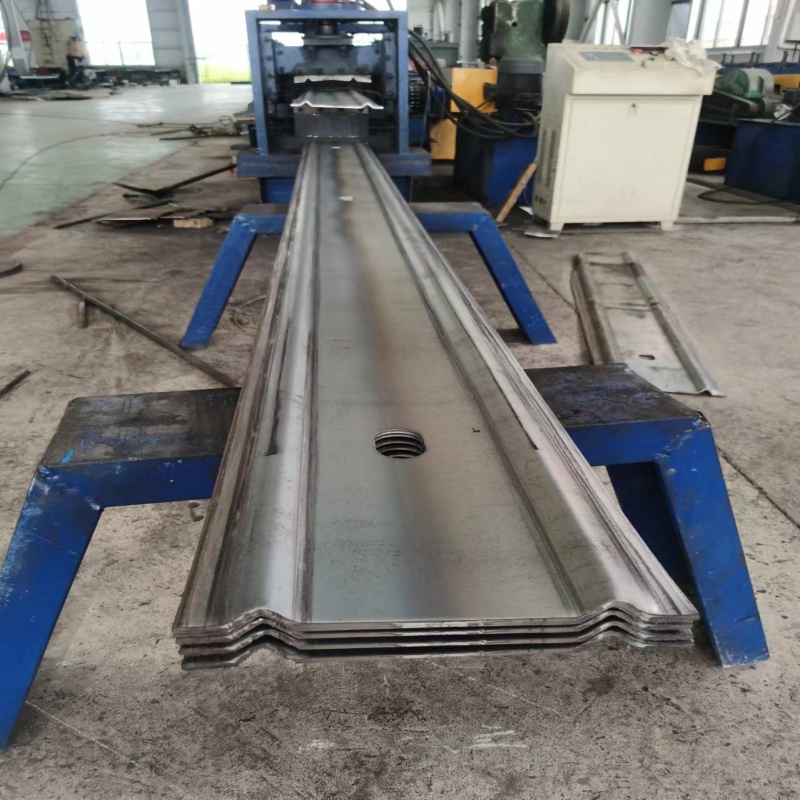
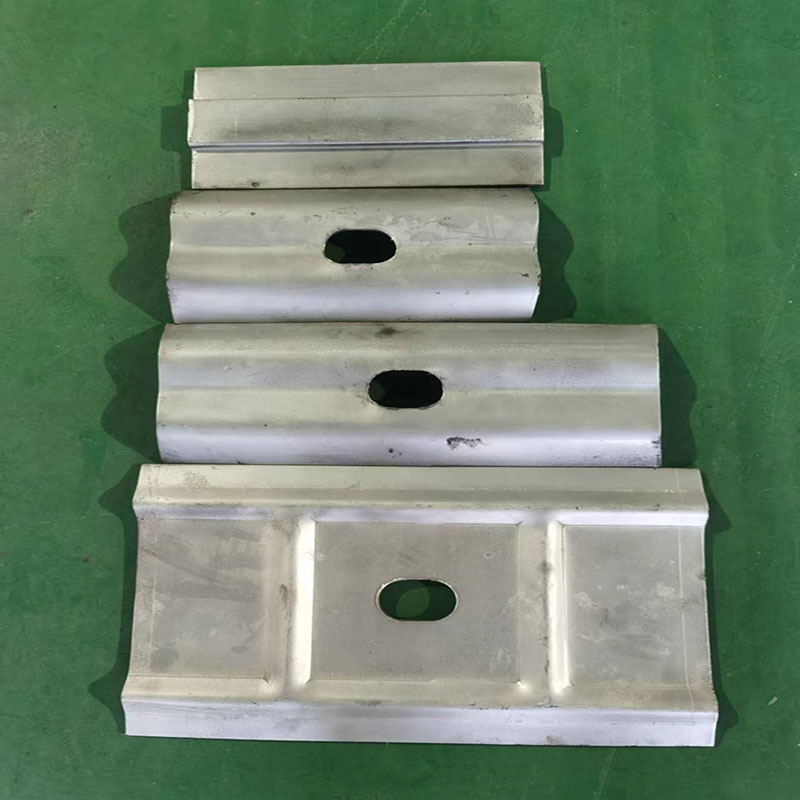
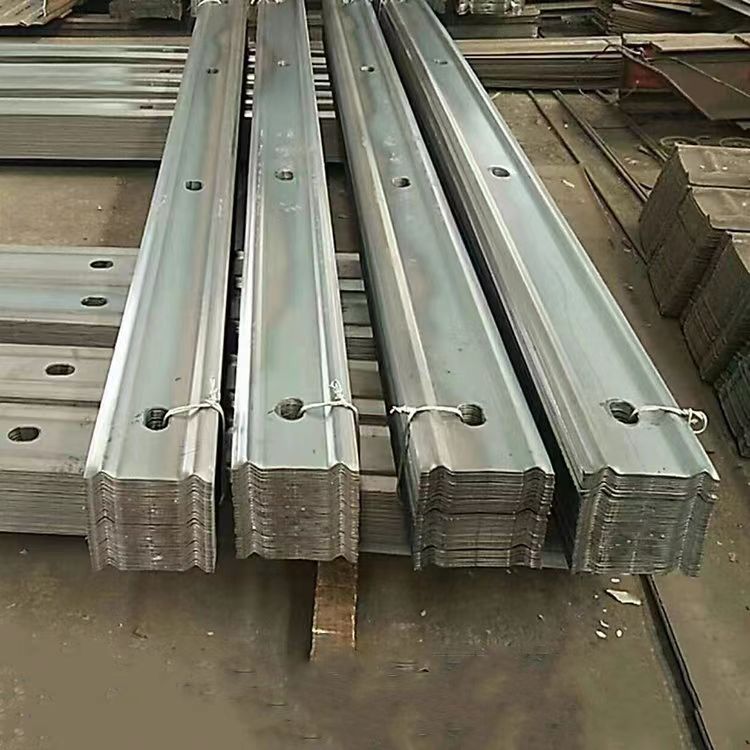
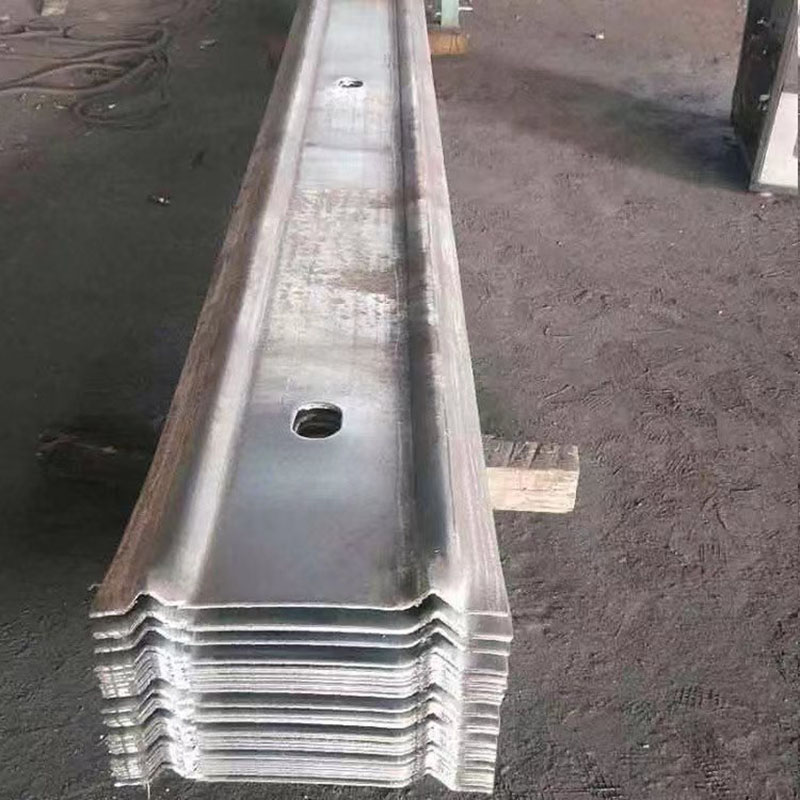
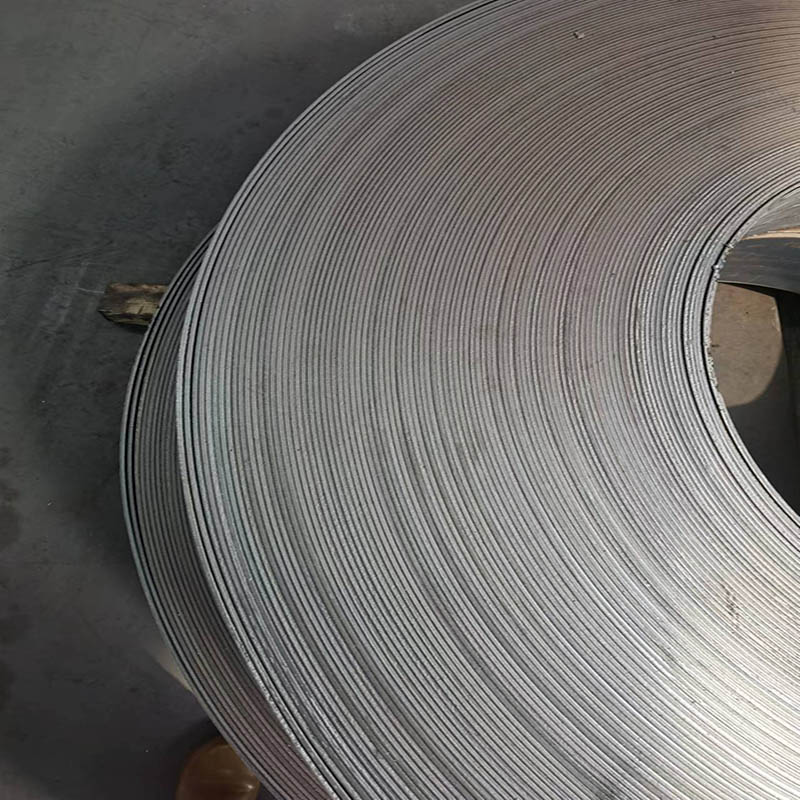
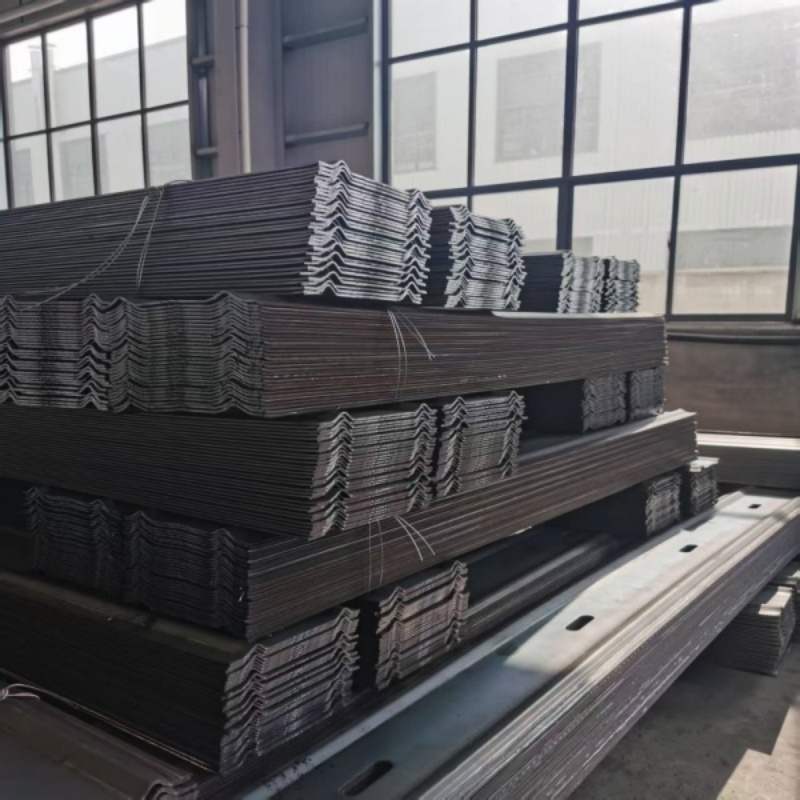
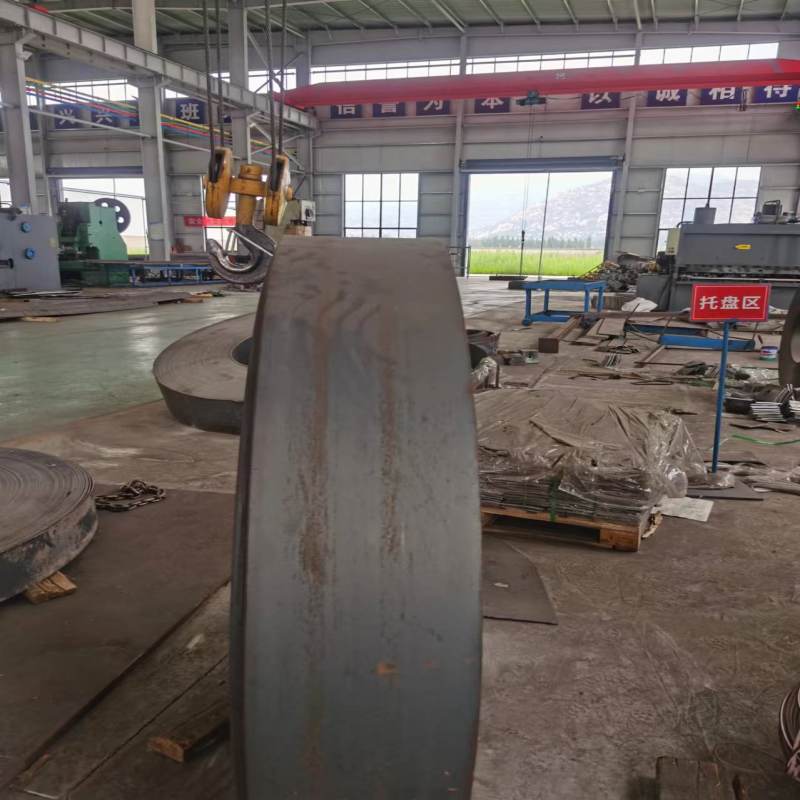
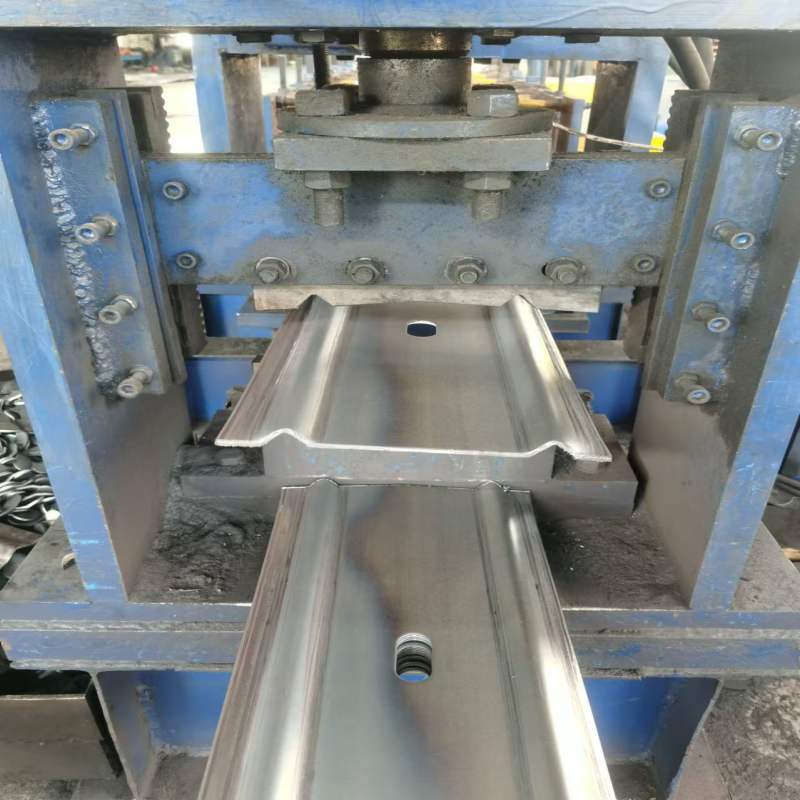
Underground mining steel straps, also known as mining W-shaped steel straps or corrugated steel straps, are tunnel support components used in conjunction with anchor bolts. Manufactured from high-quality low-carbon steel coils through a cold-forming process, they feature a continuous corrugated cross-section (resembling a series of interconnected “W” letters). This unique structural design confers exceptional mechanical properties.
In anchor support systems, mining reinforcement belts play a critical role as “connecting beams” and “stress distributors.” They link individually spaced anchors into a unified support network, fundamentally resolving the issue of isolated anchor performance found in traditional point-anchor support systems. Whether in coal mine tunnels, metal mine workings, or railway tunnels, these mining steel straps work in perfect synergy with the anchor systems to provide reliable support.
II. Superior Performance
1. Scientifically Designed Cross-Section
The W-shaped cross-section is an engineering-proven, optimized structure. Its wave-like profile provides an extremely high flexural section modulus in the vertical direction. This means that the steel struts used in underground mining can effectively withstand immense pressure and bending stress from the roof, resist rock deformation, and maintain the designed cross-section of the tunnel over the long term.
2. Mechanical Properties Combining Rigidity and Flexibility
Along the longitudinal direction, the mining reinforcement belt possesses a certain degree of flexibility, allowing it to be installed closely against uneven rock surfaces and perfectly adapt to various complex tunnel profiles. Transversally, however, they exhibit high stiffness, enabling the uniform transfer of anchor force to a wider area of the rock mass. This characteristic of “flexibility in the longitudinal direction and rigidity in the transverse direction” ensures stable support even under complex geological conditions.
3. Strong Load-Transfer Capability
This is the most critical mechanical property of mining steel bands. When rock pressure above a single anchor changes, the steel band can rapidly redistribute this load across multiple adjacent anchors, preventing a single anchor from failing due to stress concentration. This load redistribution capability truly realizes the synergistic effect of “group anchoring.”
III. Core Advantages
1. Creating a Comprehensive Support System to Enhance Safety Standards
By transforming isolated “point support” into continuous “surface support,” underground mining steel bands effectively control rock fall between anchor bolts, significantly improving the integrity and stability of the roof. This comprehensive support structure provides a higher level of safety assurance for underground operations and is a critical component in building an intrinsically safe mine.
2. Optimizing Stress Distribution to Prevent Single-Point Failure
In anchor support systems, the most significant contribution of mining reinforcement belts lies in their stress redistribution function. They ensure uniform stress distribution across the entire support system; even if local rock conditions change, loads are rapidly transferred to surrounding anchors via the steel belts, effectively preventing chain failure caused by overloading of individual anchors.
3. Improving Support Efficiency and Reducing Overall Costs
The use of mining steel bands significantly enhances the overall load-bearing capacity of the support system. This allows for an appropriate increase in the spacing between anchor rods while maintaining support effectiveness. Consequently, the number of anchor rods, drill holes, and installation time per meter of tunnel are directly reduced, significantly lowering material costs and labor expenses, and achieving a more favorable cost-benefit ratio.
4. Easy Installation and High Adaptability
Underground mining steel bands are lightweight, making them easy to transport and handle. Installation simply involves threading the band onto the anchor bolt, positioning it flush against the rock face, and then securing it with washers and nuts. Their longitudinal flexibility allows them to conform closely to irregular rock surfaces, making them particularly suitable for tunnel sections with complex geological conditions.
5. Seamless Integration with Support Systems
This product is specifically designed to work in conjunction with components such as anchor bolts and steel mesh. In practical applications, it is often used in combination with metal mesh: the mining reinforcement belt provides structural support, while the metal mesh prevents rock fragmentation. Together, they form an efficient and robust active support system, achieving a synergistic effect where “1+1>2.”
IV. Key Points for Use
To ensure that underground mining steel bands fully achieve their support effectiveness, the following points should be observed during actual application:
1. Close contact with the rock surface: During installation, ensure that the steel bands are in full contact with the rock surface to prevent gaps that could compromise load-bearing performance.
2. Tighten to Design Torque: All anchor nuts must be tightened to the specified torque as required by the design to ensure effective transfer of prestress.
3. Proper Combination: Select steel band specifications appropriate for specific geological conditions and use them in combination with components such as metal mesh and anchors.
4. Regular Inspections: Inspect the support system regularly throughout its service life and address any issues promptly.
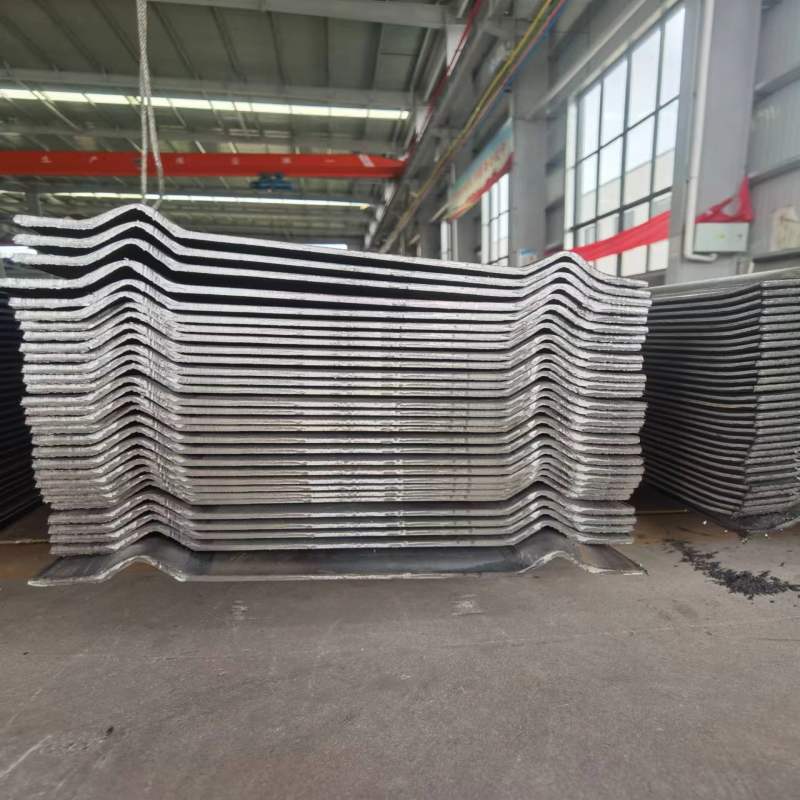
Steel struts for underground mining are an indispensable key component in modern anchor support technology. With their scientifically designed corrugated structure, exceptional load-distribution capabilities, and high cost-effectiveness, they have successfully overcome the limitations of traditional point-anchor support systems, making them the ideal choice for enhancing tunnel stability and ensuring safe production.
Choosing high-quality mining reinforcement belts means not only selecting a premium product but also adopting a proven, efficient support solution. Whether you are working in coal mine tunnels, metal ore mining sites, or tunnel projects, mining steel belts provide reliable safety assurance for your underground projects, helping to build modern, intrinsically safe mine and underground engineering systems.
For more product details or professional technical support, please feel free to contact us at any time.


