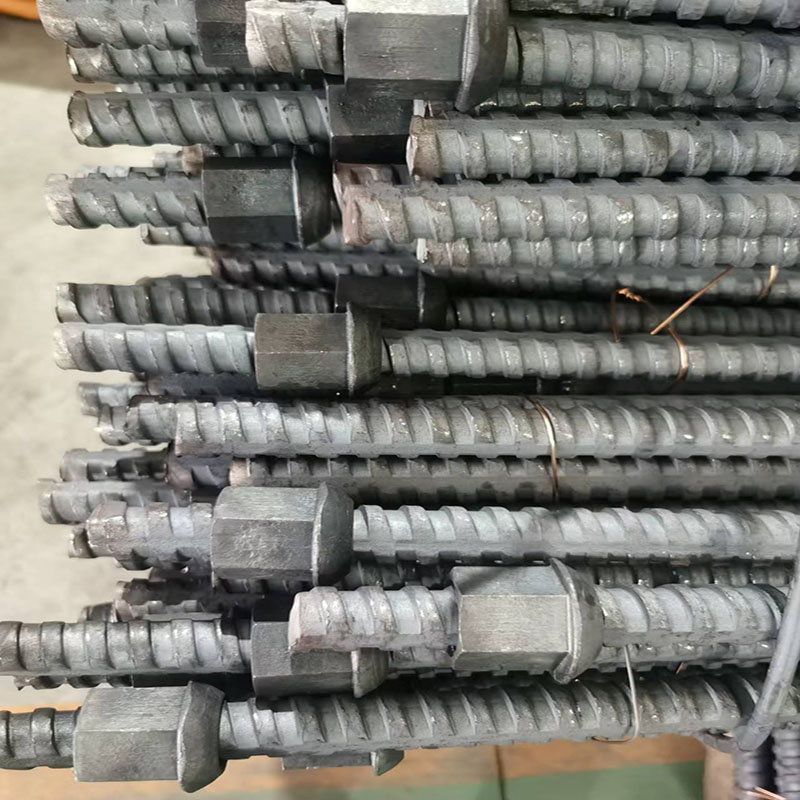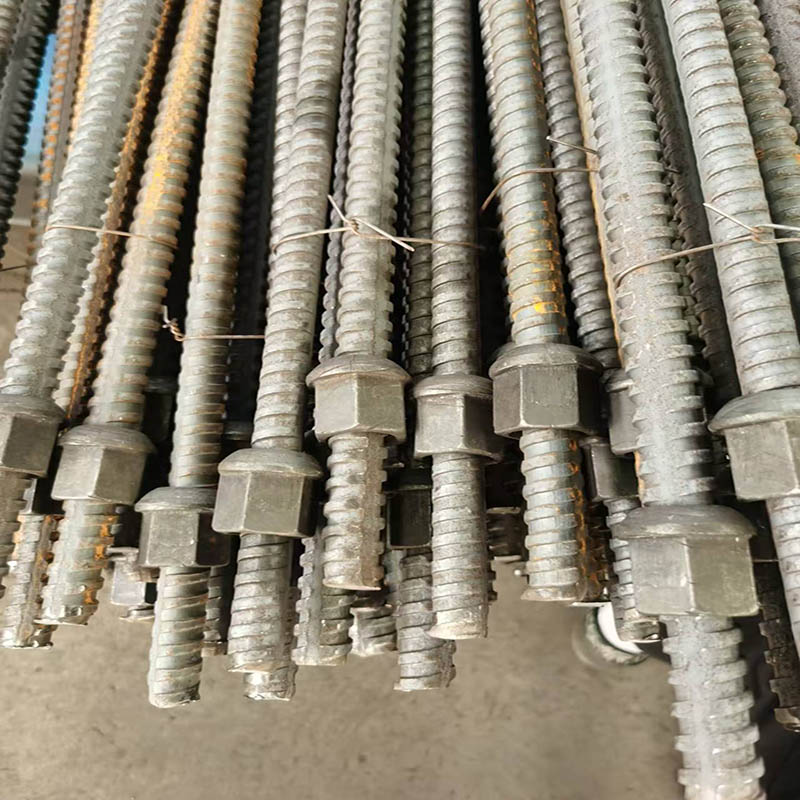
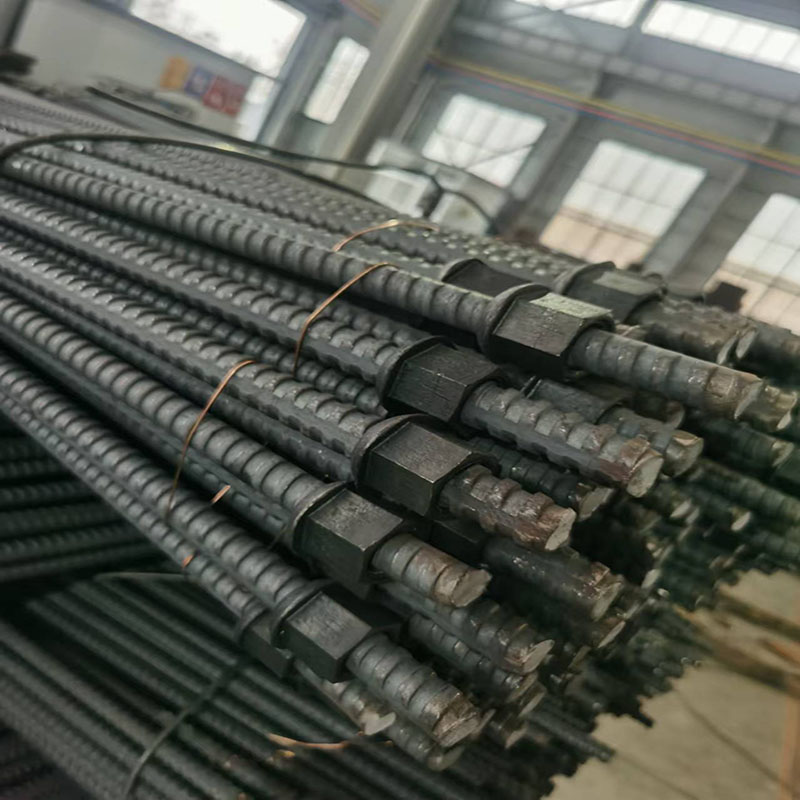
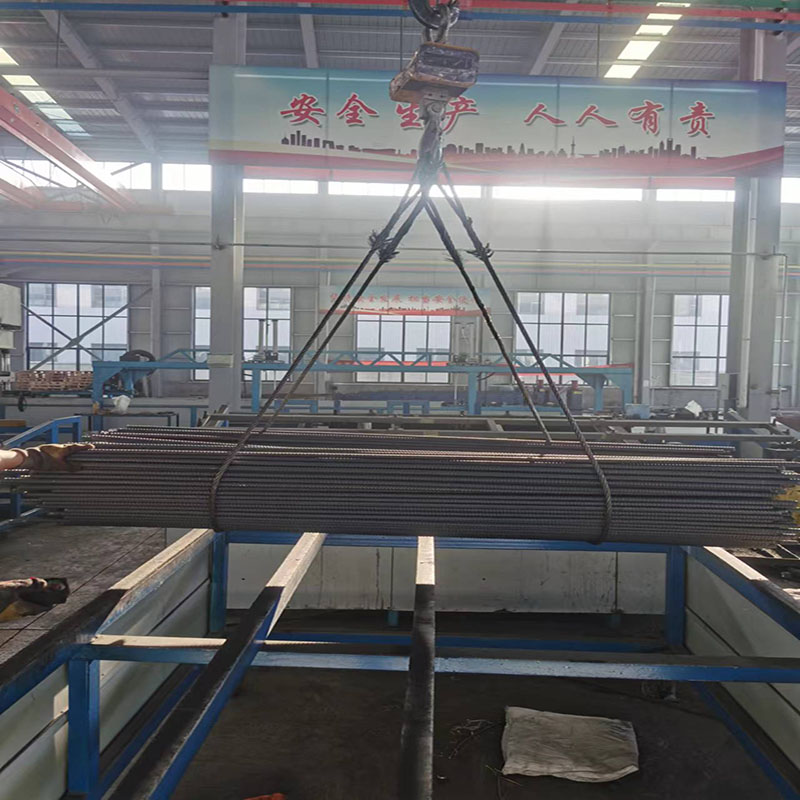
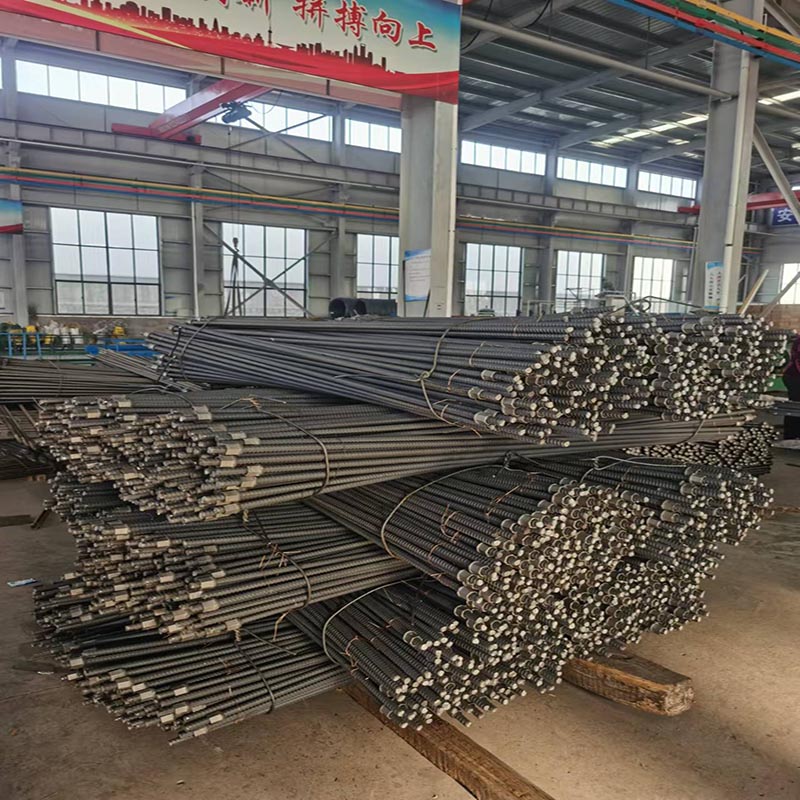
Mining Bolts
Advantages:
In the field of mine support, compared to traditional Mechanical Rock Bolts For Mining, Resin Grouted Mining Bolts demonstrate significant advantages. They achieve high-strength, high-stiffness bonding with the surrounding rock through full-length resin grouting, providing excellent support strength and shear resistance. Additionally, Self-Drilling Mining Bolts integrate drilling, grouting, and anchoring into one unit, offering distinct advantages in fractured strata. They effectively address challenges such as difficult hole formation and hole collapse, significantly enhancing support efficiency and safety, making them an ideal choice for complex geological conditions.
Resin-Grouted Rock Bolts: A Revolution in Rock Support for Modern Mining and Tunnel Engineering
In mining operations, tunnel excavation, slope stabilization, and various underground engineering projects, the stability of rock layers directly impacts operational safety and engineering efficiency. Traditional mechanical rock bolts (Mechanical Rock Bolts) are no longer sufficient to meet the high-standard support requirements under complex geological conditions. It is against this backdrop that resin-grouted rock bolts (Resin Grouted Rock Bolts) have emerged as an efficient, reliable full-length bonded support solution, becoming the gold standard in the global geotechnical engineering field. This article will delve into the working principles, core advantages, application scenarios, and why resin-grouted rock bolts are the optimal choice for your project.
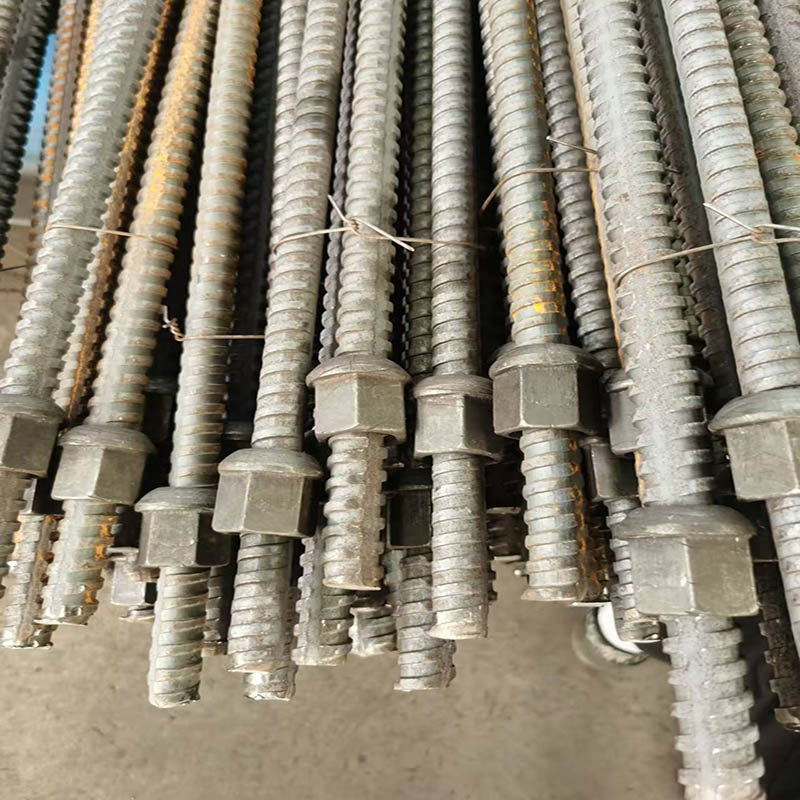
Specification parameters
Technical Parameters | ||||||||
Performance Material Specification | Outer diameter of rod (mm) | carrying capacity(kn) | ||||||
Nominal size | tolerance | HRB335 | HRB400 | HRB500 | HRB600 | HRB335 | ||
norm | carrying capacity | |||||||
φ-16 | 16 | +0.3/-0 | ≧100 | ≧120 | ≧135 | 120x120x5 | ≧100 | |
φ-18 | 18 | +0.3/-0 | ≧126 | ≧150 | ≧172 | ≧206 | 150x150x5 | ≧135 |
φ-20 | 20 | +0.3/-0 | ≧157 | ≧180 | ≧210 | ≧260 | 150x150x6 | ≧170 |
φ-22 | 22 | +0.3/-0 | ≧190 | ≧225 | ≧250 | ≧310 | 150x150x8 | ≧230 |
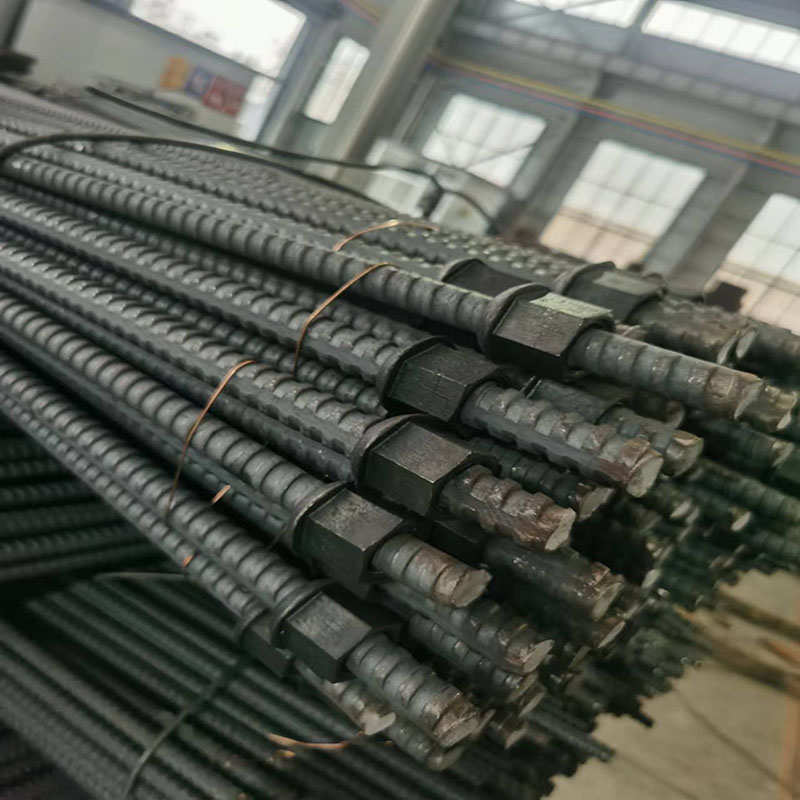
The Five Core Product Advantages of Resin Anchors
Compared to Mechanical Rock Bolts for Mining (mechanical mining anchors) with point anchoring and low preload, resin anchors offer comprehensive advantages:
Exceptional anchoring force and load transfer: Resin anchoring agents fill all gaps between the drill hole and the rod body, achieving 100% full-length bonding. This means that loads are uniformly transferred to the stable rock mass along the entire anchoring length, providing extremely high tensile and shear strength, with load-bearing capacity far exceeding that of mechanical expansion shell-type anchor bolts.
Exceptional flexibility and adaptability: Resin anchor systems can adapt to various complex and fractured rock conditions. Even in highly jointed, faulted, or soft rock formations, the full-length bonding characteristic effectively “seams” the rock mass, transforming it into a self-supporting composite structure—a capability unavailable with point-anchor bolts.
Immediate support and high preload: Fast-setting resin cartridges achieve high strength rapidly after mixing, allowing high preload to be applied immediately after installation. This “immediate support” capability is critical for quickly controlling roof deformation, minimizing rock mass loosening, and providing immediate safety assurance for workers.
Excellent corrosion resistance and durability: The resin layer completely isolates the steel rod body from groundwater, acidic environments, and other corrosive substances, providing excellent protection for the rod body. This ensures the long-term durability of the support system, maintaining stable performance throughout the design life of the project and reducing long-term maintenance costs.
Design flexibility and diversity: Resin anchor rod systems come in a variety of types to meet different specific requirements. For example, Self-Drilling Mining Bolts integrate drilling rods, grouting tubes, and anchor rod functions into one unit, making them particularly suitable for extremely fractured and easily collapsing strata. They solve the global challenge of “difficult drilling and anchoring,” significantly improving construction efficiency.
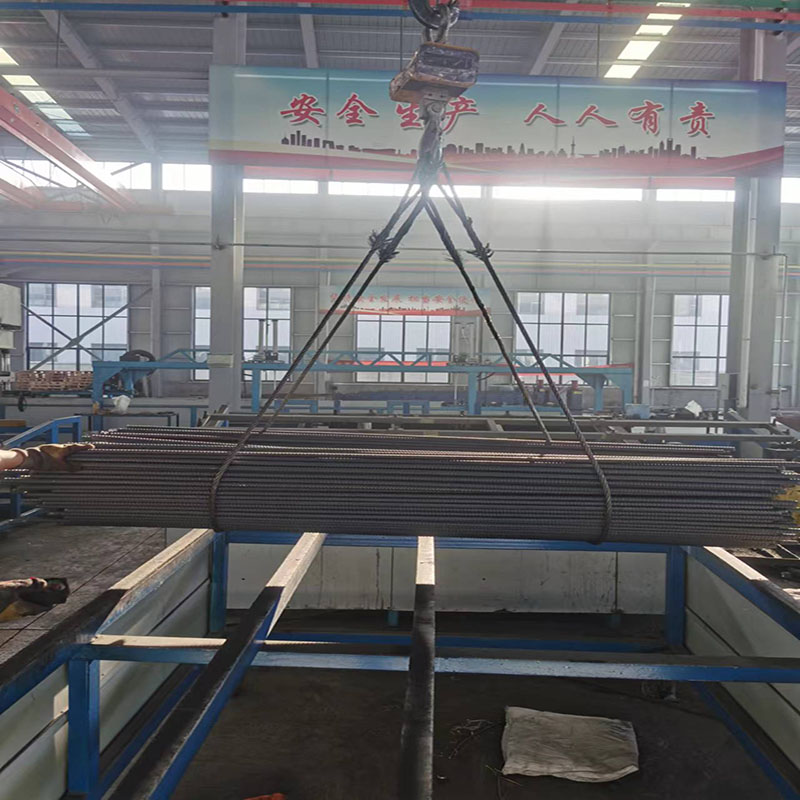
Revealing the Working Principle of Resin Anchor Rods
The resin anchor rod system primarily consists of a metal rod body (threaded steel rod body or hollow grouting rod body), resin cartridges, washers, nuts, and possibly a drill bit. The core of its support function lies in the “resin anchor adhesive.”
The working process is as follows:
Drilling: First, drill holes in the rock layer to the designed depth and diameter.
Inserting the resin cartridges: A specified number of resin cartridges (typically packaged in separate bags containing resin mortar and hardener) are placed at the bottom of the drill hole.
Inserting the rod body: The anchor rod body is rapidly rotated and advanced into the drill hole using a drilling machine. During this process, the mixing head at the end of the rod body breaks open the resin cartridges, causing the resin, hardener, and filler to mix thoroughly and trigger a chemical reaction.
Curing and anchoring: The mixed resin cures within a short time (from several seconds to several minutes), transforming from a liquid to a hard solid, firmly bonding the anchor rod body to the rock wall of the drill hole along its entire length, forming a robust load-bearing structure.
Installing the plate nut: After the resin has fully cured, install the plate and tighten the nut to apply active preload to the rock surface, placing the unstable rock layer under compression and significantly enhancing the overall structural stability.
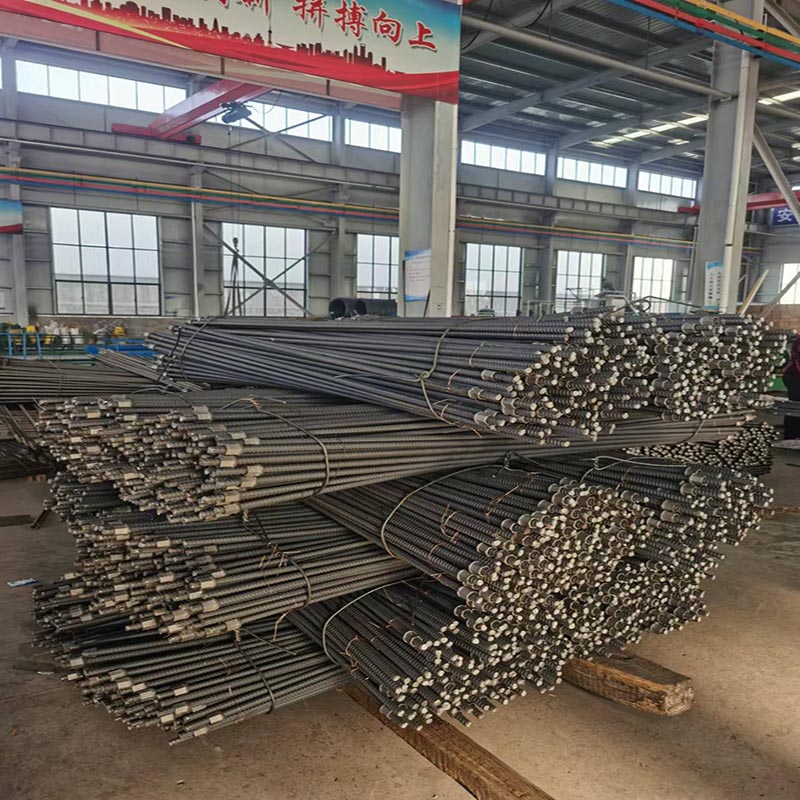
Choose Us
We are not only a product supplier, but also a partner in geotechnical support solutions. We offer a full range of resin anchors, self-drilling anchors, and related products, all of which undergo rigorous quality control and are certified to international standards. Our technical team can provide you with comprehensive support from geological analysis and design to construction guidance, ensuring that your project is completed safely, efficiently, and economically.