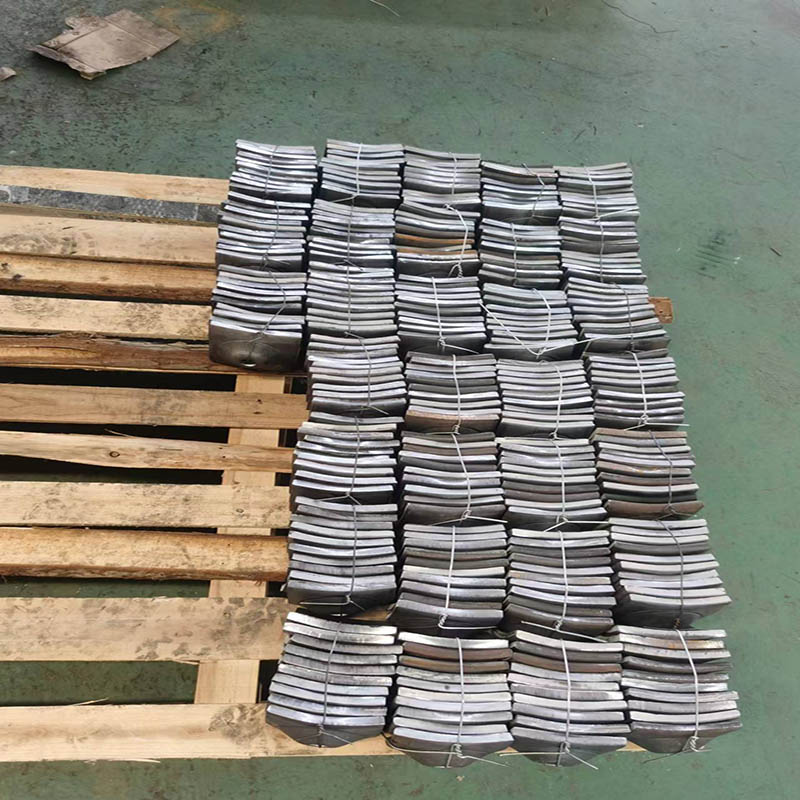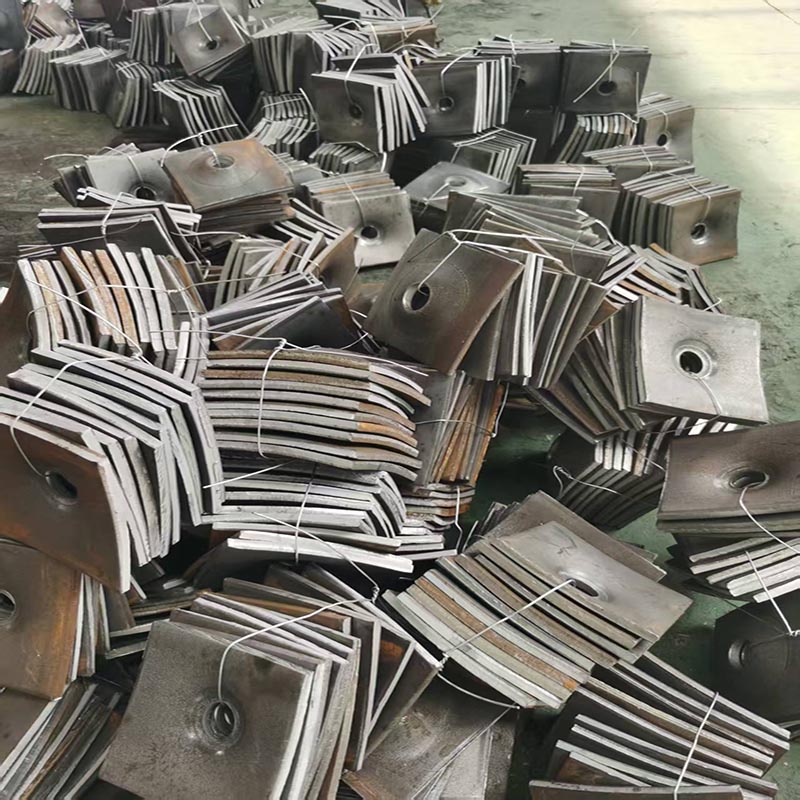
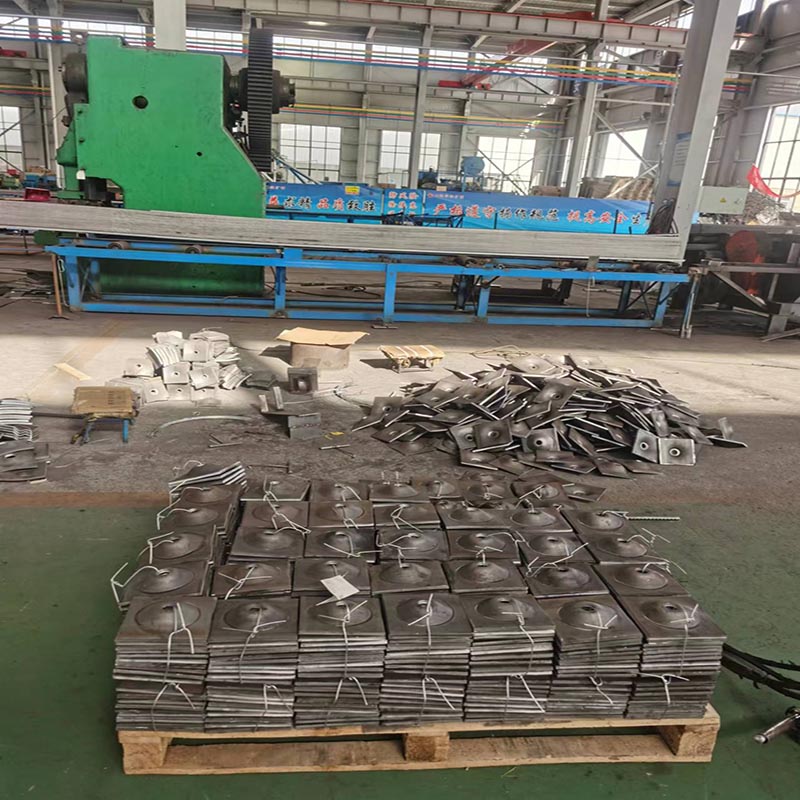
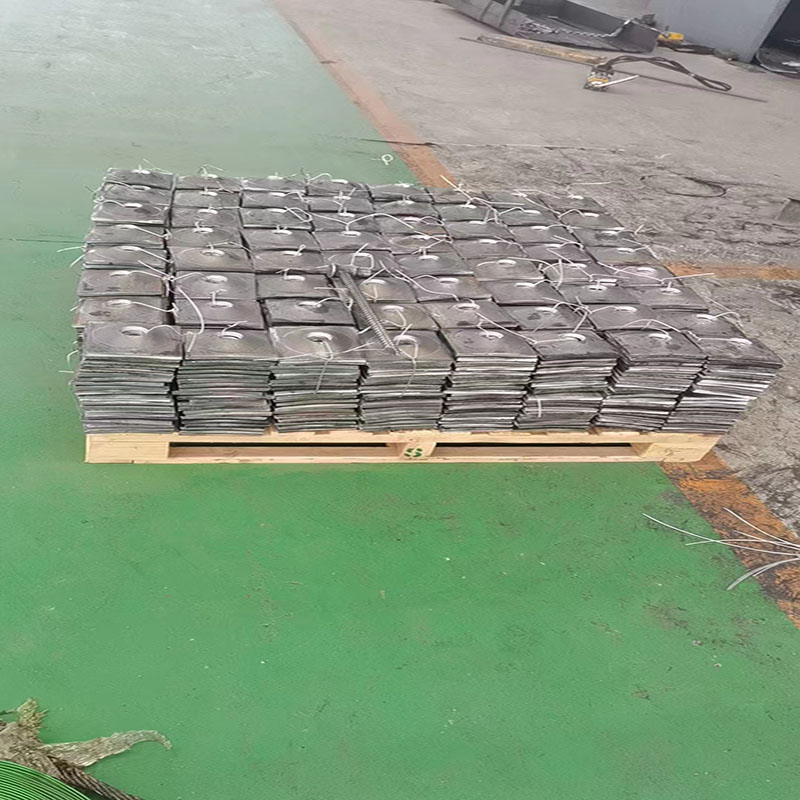
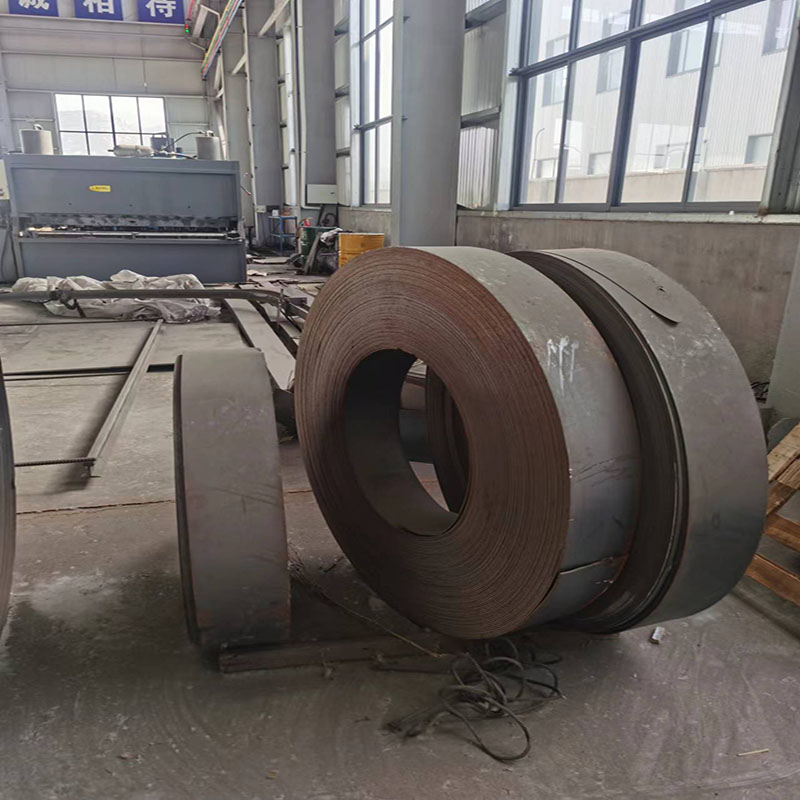
Mining Support Plate
Advantages:
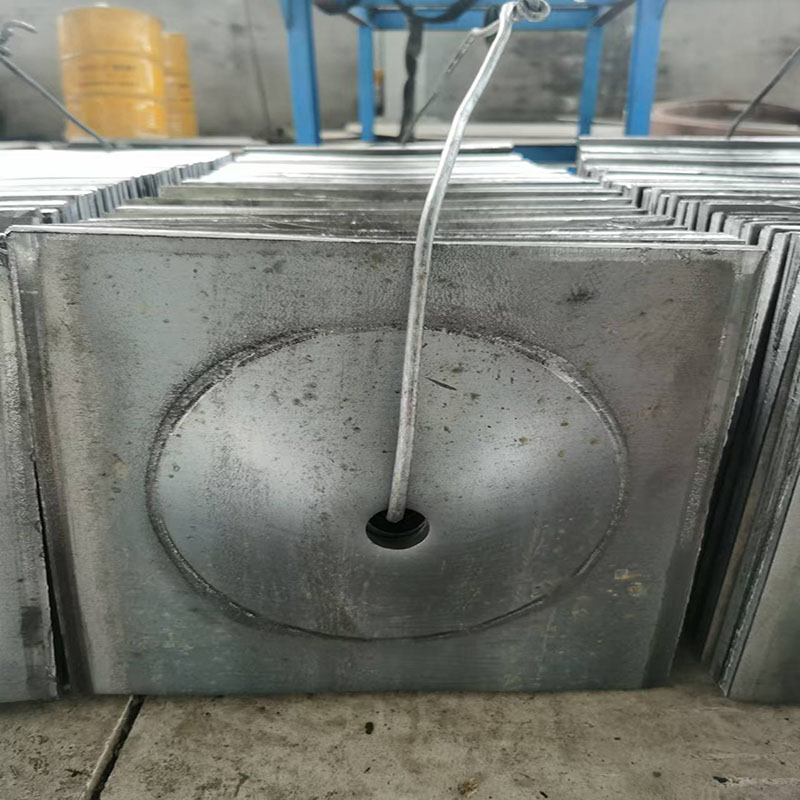
Rock Bolt Support Plates are essential for reinforcing rock surfaces in mining and tunneling. These plates, paired with a durable Rock Bolt Plate Washer, ensure even load distribution and long-term stability. Our Steel Support Plate for Rock Bolts is made from high-strength materials, offering superior resistance to corrosion and pressure. Ideal for securing rock bolts, these components enhance structural integrity in challenging environments. Whether for civil engineering or underground projects, our rock bolt plates and washers provide reliable support. Upgrade your reinforcement system with premium Rock Bolt Support Plates and washers for unmatched safety and durability.
Product Details:
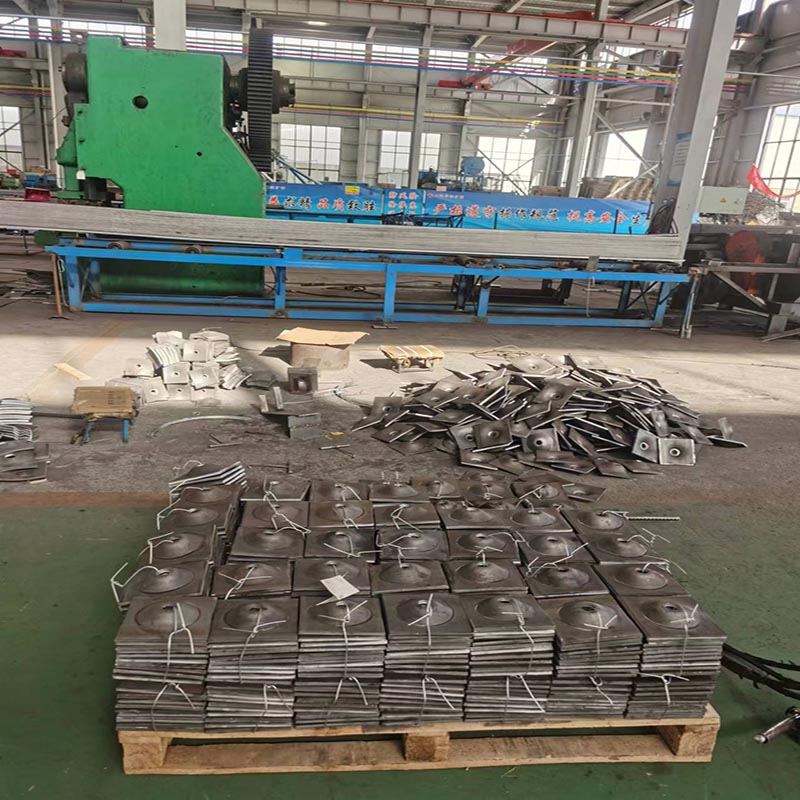
In mining operations and tunnel construction, mining support plates (Mining Support Plate) serve as the core components of the support system, playing a decisive role in ensuring construction safety. This critical component, also known as mining anchor plates (Mining Anchor Plate) or steel support plates for rock bolts (Steel Support Plate for Rock Bolts), achieves rock mass stability through a scientifically designed force transmission mechanism. This article will provide an in-depth analysis of its technical features and application value.Anchor rod trays are a critical component of anchor rod support systems, and their performance directly impacts the effectiveness of anchor rod support. The tray's function is to transmit the thrust generated by the nut's locking torque to the roof and sidewalls, creating initial anchor force, while also transferring the pressure from the tunnel roof and sidewalls to the anchor rods, generating working resistance. Together, these forces reinforce the surrounding rock and prevent displacement of the tunnel roof and sidewalls. Therefore, when selecting a tray, the first consideration is to ensure that the anchor rod tray and the anchor rod body are matched in terms of strength to avoid anchor rod perforation due to insufficient tray strength. Second, the anchor rod tray must be compatible with the anchor rod body in terms of support structure to prevent uneven force distribution on the anchor rod body and nut due to incompatibility between the anchor rod body and tray in the support structure, which could impair the support effectiveness of the tunnel.
Specifications and parameters:
Pallet Size (mm) | carrying capacity (kn) (kn) | Pallet Size (mm) | carrying capacity(kn) | note |
120x120x5 | ≧100 | 200x200x10 | ≧360 | Partial specifications |
120x120x6 | ≧115 | 200x200×12 | ≧420 | |
120x120x8 | ≧130 | 250x250×8 | ≧320 | |
150x150×5 | ≧135 | 250x250x10 | ≧400 | |
150x150x6 | ≧170 | 250×250x12 | ≧440 | |
150x150x8 | ≧230 | 300x300x10 | ≧420 | |
150x150x10 | ≧290 | 300x300x12 | ≧480 | |
120x120x10 | ≧260 | 300x300x14 | ≧520 |
Basic Definition and Working Principle:
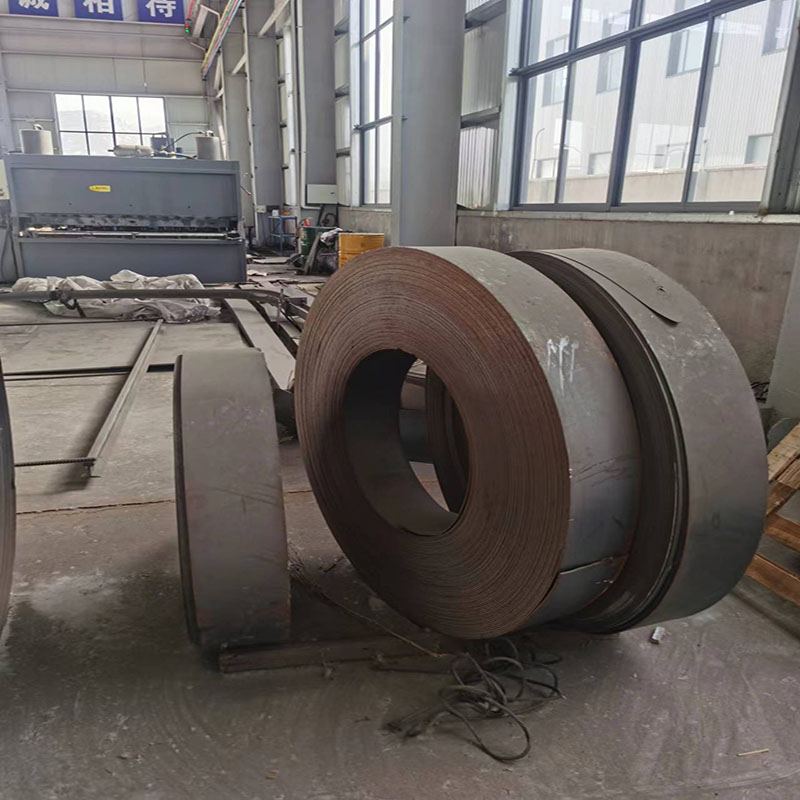
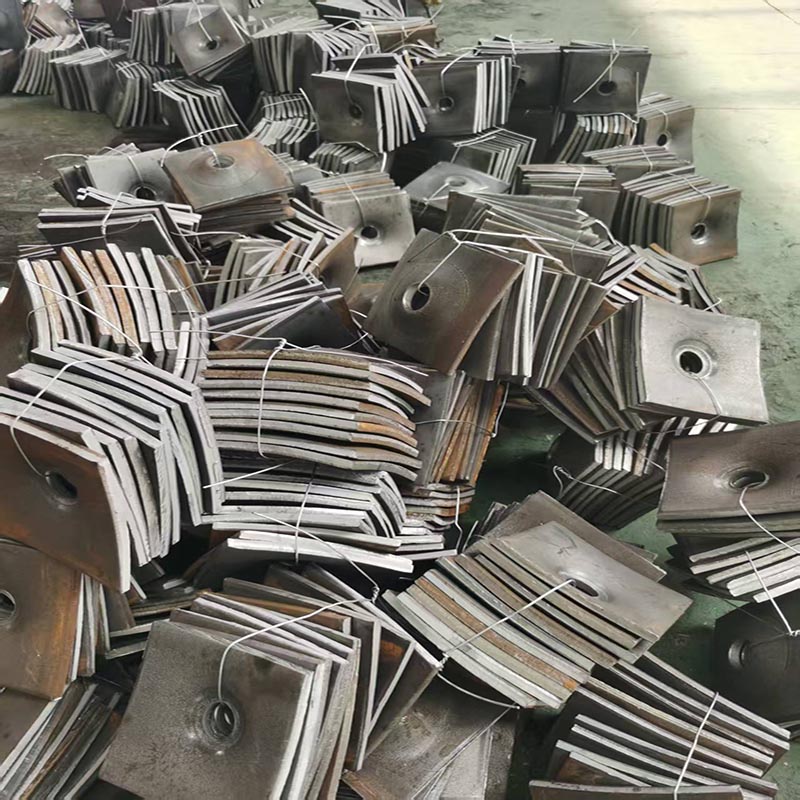
A mining anchor plate is a pressure-bearing component used in conjunction with anchor bolts. When installed on a rock surface, it converts the preload of the anchor bolts into positive pressure on the rock surface. This bolted support steel plate increases the contact area, effectively improving the stress state and preventing rock fragmentation caused by localized stress concentration.
Key Performance Indicators:
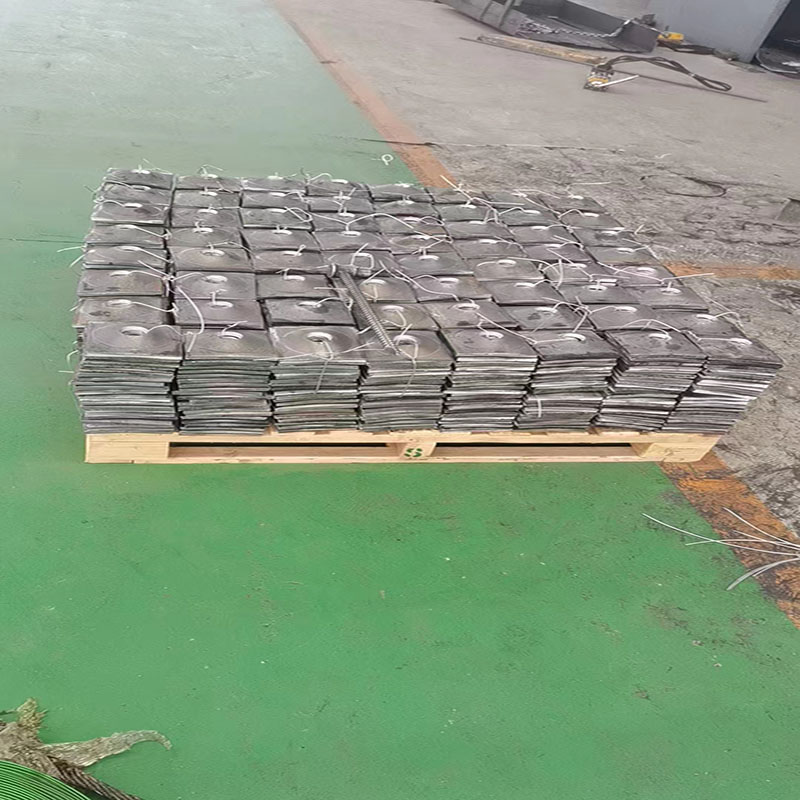
Load-bearing Capacity: The static load-bearing capacity of standard-spec mining anchor plates can reach 50–200 kN
Material Properties: Typically made of Q235B or Q345B low-alloy steel, with a yield strength of ≥235 MPa
Corrosion Protection: Hot-dip galvanized coating thickness of ≥80 μm, with a salt spray test endurance of up to 1,000 hours
Geometric Dimensions: Common specifications range from 150×150 mm to 300×300 mm, with thicknesses of 6–20 mm
Installation process requirements:
Rock surface treatment: must be leveled, with unevenness not exceeding 5 mm
Pre-tension control: use a torque wrench, with an error of ±5%
Installation sequence: follow the principle of “top first, then sides, from outside to inside”
Main testing indicators:
Dimensional tolerance: Compliant with GB/T700-2006
Mechanical properties: Passed MT/T146.1-2011 testing
Fatigue life: 2 million cycle load testing